Understanding Spray Foam Removal Littlehampton
Spray foam insulation is a popular choice for its excellent thermal properties and energy efficiency. However, situations may arise where spray foam removal Littlehampton becomes necessary. Understanding the reasons for removal, identifying challenges, and recognizing the right techniques can greatly influence the outcome of the project. In this guide, we will explore the essentials of spray foam removal, from its inception to best practices for a successful removal.
What is Spray Foam?
Spray foam insulation is made from a mixture of chemicals that expand into a foam when sprayed onto surfaces. This foam fills cracks and crevices, creating a seamless barrier that not only insulates but also prevents air leaks. There are two common types: open-cell and closed-cell foam. Open-cell foam is lighter and more affordable, best suited for interior applications. Closed-cell foam, on the other hand, provides a higher R-value and moisture resistance, making it ideal for exterior use.
Reasons for Removal
Spray foam removal might be necessary for several reasons, including:
- Moisture Issues: If the foam becomes wet, it can harbor mold and mildew, presenting health hazards.
- Health Concerns: Some individuals may have sensitivities to chemicals used in spray foam, necessitating its removal.
- Damage: Physical damage to the foam (e.g., warping or peeling) can compromise its insulation properties.
- Renovation Needs: Home renovations may require the removal of existing insulation to install new materials.
- Improper Installation: If the foam has been poorly applied, it may not perform effectively, requiring removal.
Common Challenges
Removing spray foam insulation comes with its own set of challenges. These may include:
- Adhesion: Spray foam adheres strongly to surfaces, making it difficult to remove completely without damaging the underlying material.
- Health Risks: The chemicals involved can pose health risks if proper safety measures are not observed.
- Disposal Regulations: Local regulations must be adhered to when disposing of hazardous materials like spray foam.
- Time-Consuming Process: The removal process can be labor-intensive and may require precise methods to avoid further issues.
Preparation for Spray Foam Removal Littlehampton
Before initiating the spray foam removal process, thorough preparation is essential for both safety and efficiency.
Assessing the Area
Begin by evaluating the area where the spray foam is located. Look for any signs of moisture damage, mold growth, or structural damage. It’s vital to assess whether the foam in question needs complete removal or if partial removal would suffice. Document your findings, as this will inform your removal strategy and whether professional assistance is needed.
Gathering Necessary Equipment
Having the right tools and equipment is crucial for an effective spray foam removal process. Essential items include:
- Protective Gear: Masks, goggles, gloves, and protective clothing to safeguard against inhalation and skin contact with chemicals.
- Scraping Tools: A utility knife, metal scrapers, or chisels for physically removing the foam.
- Chemical Removers: Depending on the chosen method, you may need solvents designed for spray foam removal.
- Waste Disposal Bags: Durable bags for collecting and properly disposing of the removed foam.
Safety Precautions to Consider
Taking safety precautions is essential throughout the removal process. Here are critical steps to follow:
- Ventilation: Ensure adequate ventilation in the area to disperse any fumes released during removal.
- Personal Protective Equipment (PPE): Always wear PPE to minimize exposure to harmful substances.
- Emergency Procedure: Familiarize yourself with emergency protocols in case of chemical spills or health-related emergencies.
Techniques for Spray Foam Removal Littlehampton
When it comes to spray foam removal, there are various techniques that can be employed, each with specific benefits and challenges.
Manual vs. Chemical Methods
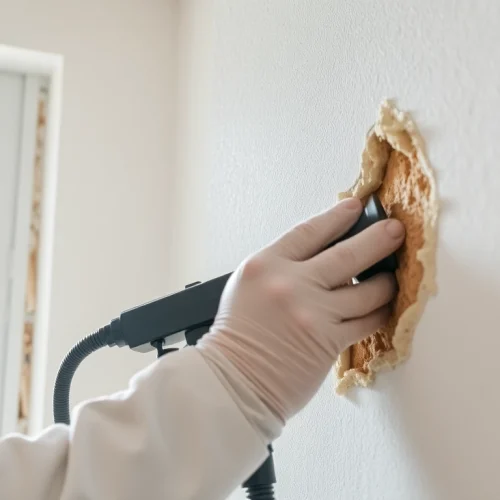
The removal of spray foam can be approached manually or chemically. Manual methods involve scraping or cutting away the foam, often combined with heat to soften it for easier removal. This method is labor-intensive but does not involve additional chemicals, making it safer in terms of health risks.
Chemical methods utilize specific solvents designed to break down the foam. While these can save time and effort, they may carry risks associated with chemical exposure and require additional safety precautions.
Tools and Equipment Required
Beyond the basic scraping tools and chemical removers discussed earlier, additional equipment may include:
- Heat Guns: Useful for melting foam before scraping.
- Wrecking Bar: Helps in prying larger sections of foam from surfaces.
- Shop Vacuums: Effective for cleaning up leftover debris after removal.
Step-by-Step Removal Process
Here is a recommended step-by-step guide to removing spray foam:
- Prepare the Area: Clear furniture and cover surfaces to protect against debris.
- Put on Protective Gear: Ensure you are fully equipped with PPE.
- Loosen the Foam: Use a heat gun or solvent to soften the foam before attempting to scrape.
- Scrape Off the Foam: Carefully work from the edges toward the center to avoid damaging the substrate.
- Clean Residues: Use either scrapers or cleaning solvents as necessary to remove any leftover adhesive.
- Dispose of Materials: Collect all removed foam and dispose of it in accordance with local regulations.
Post-Removal Considerations
After the spray foam has been successfully removed, there are several follow-up steps to ensure that the area is prepared for any new installations or simply to restore the space.
Inspecting the Area
Once the foam is removed, inspect the underlying material for damage. Look for rot, mold, or other issues that may require repairs before new insulation can be installed. Addressing these underlying problems is essential for the integrity of the building structure.
Cleaning and Disposing of Materials
Have a proper disposal plan in place for the materials removed. Depending on local laws, some areas may require hazardous waste disposal methods. Utilize heavy-duty plastic bags and ensure that all materials are secured to avoid contamination risks.
Preventing Future Issues
After the removal process, consider steps to prevent future spray foam issues. This may include ensuring adequate ventilation in attics and crawl spaces to reduce moisture buildup, proper sealing of existing insulation materials, and periodic inspections for signs of water intrusion.
FAQs on Spray Foam Removal Littlehampton
What should I expect during removal?
You can expect a time-consuming process that involves scraping, possible chemical use, and safety precautions. The area will also likely be messy and require cleanup afterwards.
How long does the process take?
The duration depends on the amount of foam and accessibility. It may take a few hours for smaller areas, while larger projects could span several days.
Are there any health risks?
Yes, there are potential health risks associated with spray foam, including respiratory issues and skin contact reactions. Always wear protective gear.
Can I do it myself?
While DIY is possible, it’s crucial to have the appropriate tools and knowledge. In complex situations, hiring professionals may be safer and more effective.
How much does it typically cost?
Costs can vary, generally ranging from £800 to £1500 for removal, influenced by the project’s size and method used for removal.