
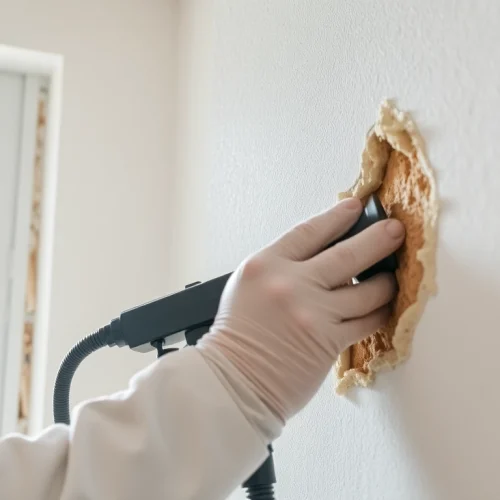
Understanding Spray Foam Removal per m2
Spray foam insulation has gained popularity due to its excellent thermal properties and air-sealing capabilities. However, there are scenarios where spray foam removal per m2 becomes essential. This comprehensive guide will delve into what spray foam is, why it may need removal, and the financial implications involved in the process.
What is Spray Foam?
Spray foam insulation consists of two primary components: isocyanate and polyol resin. When mixed and applied, these components react to create a foam that expands and hardens, filling gaps and creating an effective barrier against air and moisture. Historically, spray foam has been lauded for its superior insulation properties, reducing energy costs, and enhancing building comfort. Nevertheless, poorly applied spray foam can lead to various issues, necessitating its removal.
Why Remove Spray Foam?
While spray foam has numerous advantages, it is not always the ideal solution. Removal may be necessary due to:
- Improper Application: If not applied correctly, spray foam can create pockets of air, leading to reduced insulation effectiveness.
- Health Concerns: Some individuals may experience allergic reactions or respiratory issues due to chemicals in spray foam.
- Mold Growth: Moisture trapped beneath improperly installed foam can lead to mold, presenting health hazards.
- Changes in Building Structure: Renovations or structural modifications may require the removal of outdated insulation.
Cost Implications of Spray Foam Removal per m2
The cost of spray foam removal per m2 can vary significantly based on several factors, including the type of foam, area size, and accessibility. On average, homeowners should expect to pay between $20 and $50 per m2 for professional removal. Determining the total cost involves assessing labor, disposal fees, and any necessary repairs post-removal. Understanding these financial aspects can help homeowners make informed decisions while planning for insulation updates or repairs.
When to Consider Spray Foam Removal
Deciding when to remove spray foam insulation is crucial for maintaining the integrity of your property. There are clear signs that indicate the need for removal.
Signs of Poor Application
Poor installation is one of the leading reasons for spray foam removal. Signs to look for include:
- Inconsistent Thickness: Sprayed areas with varying foam thickness suggest an application error.
- Visible Gaps: Gaps between the foam and the surface indicate improper sealing.
- Odors: Persistent chemical smells can signify the breakdown of foam or chemical off-gassing.
Identifying Health Risks
Health risks associated with spray foam may not be immediately apparent. Symptoms of exposure can manifest as headaches, dizziness, or respiratory issues. Proper air quality assessments can provide insights into whether removal is necessary. Mold growth, often arising from trapped moisture, presents not only structural risks but also significant health hazards. If mold is identified in areas with spray foam insulation, removal should be prioritized to ensure a safe living environment.
Long-Term Damage to Property
Over time, improperly removed or installed spray foam can lead to significant structural concerns. Problems linked to moisture trapping include:
- Structural Weakening: Prolonged exposure to moisture can weaken the building’s framework, leading to costly repairs.
- Decreased Property Value: Buyers may be deterred by potential health issues or structural concerns linked to faulty insulation.
- Increased Energy Costs: Inefficient insulation can lead to higher energy bills, as HVAC systems work harder to maintain temperatures.
Methods of Spray Foam Removal
When it’s time to remove spray foam, several techniques can be employed. The most effective method may depend on the specific situation and the characteristics of the spray foam used.
Mechanical Removal Techniques
Mechanical removal typically involves physical tools and equipment to scrape off the foam insulation. This method includes:
- Scrapers and Blades: Ideal for removing thin layers of foam, scrapers can help expose surfaces beneath.
- Heat Guns: By applying heat, foam can be softened for easier removal.
- Sanders: Orbital sanders can effectively remove foam remnants while smoothing surfaces.
While this method can be effective, it is labor-intensive and may create dust and debris; thus, safety precautions are crucial during the process.
Chemical Solutions and Their Application
Chemical removal involves using solvents designed specifically for breaking down spray foam. These products may be more efficient than mechanical methods, especially in hard-to-reach areas. However, they come with risks, such as:
- Potential Toxicity: Some chemicals may pose health risks; trained professionals should handle their application.
- Surface Damage: Chemicals can damage underlying materials if not correctly applied.
Always follow product guidelines and safety measures to mitigate risks during chemical removal.
Safety Measures During Removal
Safety is paramount when removing spray foam. Implementing the following precautions can help protect both workers and residents:
- Personal Protective Equipment (PPE): Always wear gloves, goggles, and respirators when handling spray foam.
- Ventilation: Ensure proper airflow in the work area, particularly if chemicals are involved.
- Professional Help: For extensive removal projects, hiring qualified professionals can ensure safety and effectiveness.
Hiring Professionals for Spray Foam Removal per m2
Engaging professionals for spray foam removal can simplify the process and guarantee a higher standard of work. When looking for a service provider, consider the following factors:
Assessing Contractor Credentials
Before entrusting removal to a contractor, verify their credentials by checking for certifications in insulation and removal services. Ensure that they have a proven track record in the industry, as well as positive customer reviews. Ask for estimates and details of previous removal projects to gauge their success rates.
Understanding Cost Structures
Understanding the cost structures of professional services is crucial for budgeting. Obtain detailed quotes that outline the calculated spray foam removal per m2 alongside any additional potential costs. This will enable comparisons among contractors and assist you in making cost-effective decisions. Ensure that the quotes include labor, equipment, disposal, and any necessary repairs after removal.
Client Testimonials and Case Studies
When choosing a contractor, consider client testimonials and case studies as they offer insight into the service quality. Testimonials can highlight a contractor’s strengths, while case studies depict the processes, challenges, and successes experienced during past removal projects. Request to see before-and-after photos to assess the quality of their work firsthand.
FAQs About Spray Foam Removal per m2
How long does spray foam removal take?
Removal time can vary based on area size and application method; generally, it takes several hours to a few days.
Can I remove spray foam myself?
Yes, but professional help is recommended for safety and effectiveness, especially for large areas.
What tools are required for spray foam removal?
Common tools include scrapers, heat guns, and chemical solvents specifically designed for foam removal.
Are there any health risks associated with spray foam?
Yes, improper installation can lead to mold and indoor air quality issues; removal can help mitigate these risks.
What are the costs involved?
Costs vary widely based on severity and area but average removal prices range from $20 to $50 per m2.