Understanding Residential Carpet Installation
Residential carpet installation is more than just laying down a new floor covering; it’s about creating a comfortable and inviting atmosphere in your home. The right carpet can transform your living space, enhancing its aesthetic appeal while providing warmth and comfort underfoot. As you explore your options, Residential carpet installation services are designed to meet your specific needs and preferences, ensuring that you find the perfect fit for your home.
What is Residential Carpet Installation?
Residential carpet installation pertains to the process of fitting carpet in residential spaces, such as homes and apartments. This procedure typically involves several steps, including measuring the space, selecting appropriate carpet types, and finally, the actual installation which may entail stretching, adhering, or tacking the carpet in place. Professional installers have the necessary expertise and tools to ensure that the carpet is properly fitted, which can greatly impact the longevity and visual appeal of your flooring.
Benefits of Professional Installation
While some homeowners may consider DIY carpet installation as a cost-saving measure, opting for professional installation provides numerous benefits:
- Expertise: Professional installers possess the skills and experience to handle various types of carpeting, ensuring correct fitting and minimizing damage risks.
- Time Efficiency: Professionals can complete the job in a fraction of the time it might take an untrained individual.
- Quality Assurance: With professional installation, you can expect a high standard of workmanship, which often comes with warranties.
- Access to Resources: Professionals have access to high-quality materials and tools, as well as a network of suppliers for any additional needs.
Common Types of Carpeting Available
Understanding the different types of carpeting available can help you make an informed decision. Here are some popular options:
- Berber: Known for its durability, this looped carpet is ideal for high-traffic areas.
- Frieze: Featuring a twisted texture, frieze carpets are excellent for hiding footprints and dirt.
- Plush: Offering a soft and luxurious feel, plush carpets are perfect for bedrooms and living rooms.
- Textured: These carpets provide visual interest with their varied patterns and textures.
Preparing Your Home for Carpet Installation
Proper preparation of your home can significantly influence the outcome of your carpet installation. Consider the following steps to ensure a smooth process.
Evaluating Your Space and Measurements
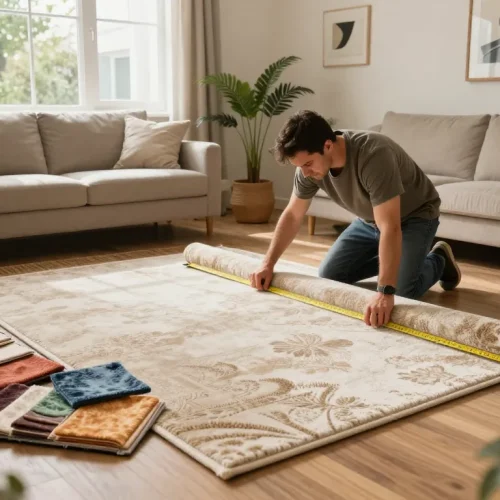
Before you begin the installation process, take the time to accurately measure the spaces where the carpet will be installed. Use a tape measure to determine the length and width of each room, accounting for any odd angles or furniture.
Choosing the Right Carpet Style and Materials
Your choice of carpet style and material should reflect both your personal taste and practical needs. Think about factors such as durability, ease of cleaning, and color schemes that complement your existing decor. Don’t hesitate to request samples to see how the carpet looks in your home’s lighting.
Clearing and Preparing the Installation Area
Before the installation team arrives, clear the installation area of furniture and other obstacles. This not only helps facilitate a smoother installation process but also protects your belongings from potential damage during the installation.
Step-by-Step Guide to Carpet Installation
Understanding the installation process can help demystify the steps involved. Here’s a look at the entire procedure:
Essential Tools and Equipment Needed
Professional installers typically use various tools, including:
- Carpet knife for cutting
- Measuring tape for accuracy
- Seaming iron for joining pieces
- Stretcher for proper tension
- Adhesive and backing materials for specific installations
Installation Process Explained
The installation process usually follows these steps:
- Preparation of the subfloor, ensuring it’s clean and dry.
- Installation of any necessary underlay, which adds comfort and insulation.
- Cutting the carpet to fit the room’s dimensions.
- Fitting the carpet using stretching techniques to eliminate wrinkles.
- Trimming any excess material and securing the edges.
- Final inspection to ensure quality and make adjustments as needed.
Common Mistakes to Avoid
To ensure the best results, avoid these common pitfalls:
- Inaccurate measurements, which can lead to wastage or insufficient material.
- Neglecting subfloor preparation, which can affect the installation quality.
- Choosing the wrong carpet type for the space, leading to premature wear or maintenance issues.
Post-Installation Maintenance Tips
Once your new carpet is installed, proper care is essential to maintain its appearance and longevity. Here are some tips to keep your carpet looking its best:
How to Care for Your New Carpet
Regular maintenance includes vacuuming at least once a week and promptly addressing any spills or stains to prevent permanent marks. Using a carpet cleaner can help maintain its fresh look.
Dealing with Common Household Stains
Act quickly when stains occur; blot, don’t rub. For common stains, a mixture of warm water and a little dish soap can be effective. Always test any cleaning solution in an inconspicuous spot first.
When to Call Professionals for Maintenance
If your carpet shows signs of wear or stains that won’t come out, consider hiring a professional cleaning service to restore it to its former glory. Additionally, regular deep cleaning can extend the life of your carpet.
Future Trends in Carpet Installation
As we move into an era focused on sustainability and innovation, the carpet installation industry is poised for exciting developments.
Sustainable and Eco-Friendly Options
Many homeowners are now seeking carpets made from recycled materials or sustainable sources. Look for certifications such as LEED or Green Label Plus to ensure your carpet has minimal environmental impact.
Innovations in Carpet Technology
Advancements in technology have resulted in carpets that are more durable, stain-resistant, and easier to clean. Some modern carpets even incorporate antimicrobial properties to enhance health and hygiene in the home.
Predictions for the Carpet Market in 2026
As consumer preferences continue to evolve, the carpet market is expected to expand with innovative products and styles catering to a more eco-conscious audience. The demand for custom designs and tailored solutions is likely to increase, reshaping the landscape of residential carpet installation.
What is the cost of residential carpet installation?
The cost of residential carpet installation varies significantly based on factors such as carpet type, room size, and installation complexity. On average, homeowners can expect to pay between $2 to $4 per square foot, including materials and labor.
How long does it take to install residential carpet?
Typically, residential carpet installation can take anywhere from a few hours to a full day, depending on the size of the project and the preparation required.
Can I install carpet myself?
While it’s possible to install carpet as a DIY project, professional installation is recommended to ensure quality results and avoid common pitfalls associated with improper fitting.
What are the best carpet materials for homes?
Some of the best carpet materials include nylon for durability, polyester for stain resistance, and wool for a luxurious feel. Each type has its own benefits depending on the specific needs of your household.
How to prepare my home for carpet installation?
Prior to installation, clear all furniture from the area, perform necessary cleaning, and ensure that any existing flooring issues are addressed to facilitate a successful installation.