
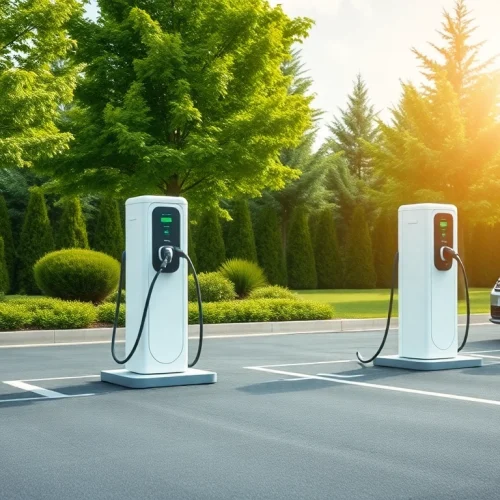
Understanding EV Charging Installation
What Is EV Charging Installation?
EV Charging Installation refers to the process of setting up electrical infrastructure to facilitate the charging of electric vehicles (EVs). This involves the installation of charging stations, which can be found in residential, commercial, and public settings. With the increasing adoption of electric vehicles, the need for robust and efficient EV charging solutions is becoming a top priority for property owners and businesses alike. A well-planned EV Charging Installation ensures that vehicles can be charged quickly, safely, and conveniently, fostering the transition toward more sustainable transport options.
Types of EV Chargers Available
There are primarily three types of EV chargers, each designed for different applications and charging speeds:
- Level 1 Chargers: These chargers use a standard 120-volt outlet and are typically found in residential settings. They deliver a slow charging rate, adding about 2 to 5 miles of range per hour.
- Level 2 Chargers: Commonly used in both residential and commercial environments, these chargers operate on a 240-volt supply, providing a faster charge and adding approximately 10 to 60 miles of range per hour. They are increasingly popular among businesses looking to offer charging solutions to customers.
- DC Fast Chargers: Often found in public charging stations, these chargers offer rapid charging capabilities, providing up to 80% charge in under 30 minutes. They are ideal for quick stops and long-distance travel.
Importance of EV Charging Installation in Today’s Market
The importance of EV Charging Installation cannot be overstated, especially as electric vehicles gain traction in the automotive market. This infrastructure not only supports drivers who have made the switch from traditional gasoline vehicles to electric but also plays a pivotal role in meeting governmental carbon reduction targets. By offering accessible charging solutions, businesses can also attract eco-conscious consumers, enhancing customer experience and brand loyalty. Furthermore, availability of charging infrastructure raises the overall viability of EVs, leading to greater market penetration and consumer adoption.
Benefits of EV Charging Installation
Environmental Impact of EV Charging Installation
The installation of EV charging stations contributes significantly to reducing greenhouse gas emissions. By facilitating the use of electric vehicles, which produce zero tailpipe emissions, cities and communities can decrease air pollution. Moreover, as the electric grid becomes greener with the increase of renewable energy sources, the overall environmental benefits of using EVs improve further. Establishing comprehensive EV Charging Installation not only empowers individuals to act on climate change but also serves as a key strategy for cities committed to sustainability goals.
Cost Savings and Incentives
Investing in EV Charging Installation can create substantial long-term savings for both individuals and businesses. EVs generally have lower operational costs compared to conventional vehicles, thanks to reduced fuel and maintenance expenses. Additionally, many municipalities and governments offer financial incentives, such as tax credits, rebates, and grants, to offset the initial installation costs. These incentives can vary widely based on location and project scope, making it crucial for developers and property owners to research available options.
Enhancing Property Value with EV Charging Installation
The presence of EV charging stations can significantly enhance the value of a property. For commercial properties, having charging infrastructure can attract tenants and customers looking for convenient charging options, thus improving occupancy rates and customer traffic. Homebuyers are increasingly considering EV charging stations as an essential feature, and properties equipped with them often fetch higher sale prices. This trend indicates that investing in EV Charging Installation is not merely an expense but rather a valuable enhancement that pays dividends over time.
Steps to Install EV Charging Infrastructure
Site Assessment and Planning for EV Charging Installation
The first step in the EV Charging Installation process involves a thorough site assessment. This process entails evaluating the electrical capacity of the property, determining the best location for the chargers, and understanding the regulatory requirements for installation. An effective planning phase considers factors such as local traffic patterns, estimated usage rates, and ease of access for users. Engaging with stakeholders—including property managers and potential users—can also provide valuable insights into specific needs and expectations, ultimately leading to a more user-friendly solution.
Choosing the Right Equipment for EV Charging Installation
Selecting the appropriate EV charging equipment is a critical step that can influence both the usability and efficiency of the installation. Considerations include the type of chargers needed (Level 1, Level 2, DC Fast Chargers), the total number of chargers, and compatibility with various EV models. It’s also essential to evaluate the suppliers and manufacturers based on their warranties, customer service, and overall reliability. Opting for smart chargers equipped with connectivity features can enhance user experience by providing real-time data access and management capabilities.
Hiring Professional Services for EV Charging Installation
While DIY installation might be tempting, hiring professional services ensures the installation is completed safely and effectively. Professional electricians experienced in EV charger installation can navigate the complexities of electrical codes, permits, and equipment specifications. They can also provide guidance on optimizing the charging network for maximum efficiency and minimal downtime. Additionally, many professional services offer maintenance packages that can further enhance the longevity of the charging stations.
Common Challenges in EV Charging Installation
Regulatory Compliance and Permits
Navigating the regulatory landscape can pose challenges for EV Charging Installation. Different areas have varying requirements regarding permits and compliance with electrical codes. It’s critical to research local regulations before beginning installation to ensure that all necessary permits are obtained. Engaging with local authorities and technical consultants can help expedite this process and alleviate potential roadblocks.
Electrical Considerations for EV Charging Installation
EV Charging Installation requires adequate electrical infrastructure to support the load of the charging stations. Ensuring that existing electrical systems can handle the additional demand is crucial to prevent safety issues or service interruptions. An electrical upgrade may be necessary, which could entail significant costs and planning. Developing a detailed electrical plan that includes load testing and future scalability considerations can mitigate these challenges.
Public vs. Private EV Charging Installation: Key Differences
When deciding between public and private EV Charging Installation, several factors emerge. Public installations focus on accessibility and convenience for a wide range of users, often necessitating higher charging speeds and longer operating hours. On the other hand, private installations are generally tailored to specific needs and can have more flexible installation parameters and usage restrictions. Understanding these differences allows property owners to better align their charging infrastructure with user expectations and maximize the return on investment.
Measuring the Success of Your EV Charging Installation
Performance Metrics to Monitor
To determine the success of EV Charging Installation, it’s essential to track several key performance metrics. Metrics such as total number of charges per day, average charging time, and user satisfaction ratings provide insights into the efficacy of the installation. Advanced smart charging systems allow for data collection and analytics, giving property owners valuable reports that can inform both operational strategies and future enhancements.
User Experience and Feedback
User experience plays a significant role in the overall success of your charging infrastructure. Collecting feedback through surveys or mobile applications can help ascertain user satisfaction levels and preferences. Addressing user concerns quickly can foster positive experiences and encourage repeat usage. Consider navigating user feedback constructively, allowing for continual improvement and adaptation to customer needs.
Future Trends in EV Charging Installation
As the electric vehicle market continues to evolve, so will the landscape of EV Charging Installation. Future trends may include increased integration of renewable energy sources, implementation of vehicle-to-grid technology, and a focus on ultra-fast charging solutions. Furthermore, advances in battery technology will likely expand charging ranges and necessitate a reevaluation of charging infrastructure. Staying informed about emerging trends allows property owners to proactively adjust their charging strategies to maintain competitiveness.
FAQs
What is the average cost of EV charging installation?
The average cost for EV charging installation varies widely but typically ranges from $500 to $2,000, depending on the type of charger and the complexity of the installation.
How long does EV charging installation take?
EV charging installation usually takes between 4 to 8 hours, depending on the site conditions, charger type, and the expertise of the installation team.
Are there incentives for installing EV chargers?
Yes, many regions provide financial incentives, such as rebates and tax credits, that significantly reduce the costs of EV charging installation for both businesses and individuals.
Can I install EV chargers at home?
Homeowners can install EV chargers, and it is advisable to have a professional handle this to ensure safety, compliance with local codes, and optimal performance.
What types of EV chargers are best for businesses?
For most businesses, Level 2 chargers strike an ideal balance between charging speed and installation costs, making them suitable for customer and employee usage.