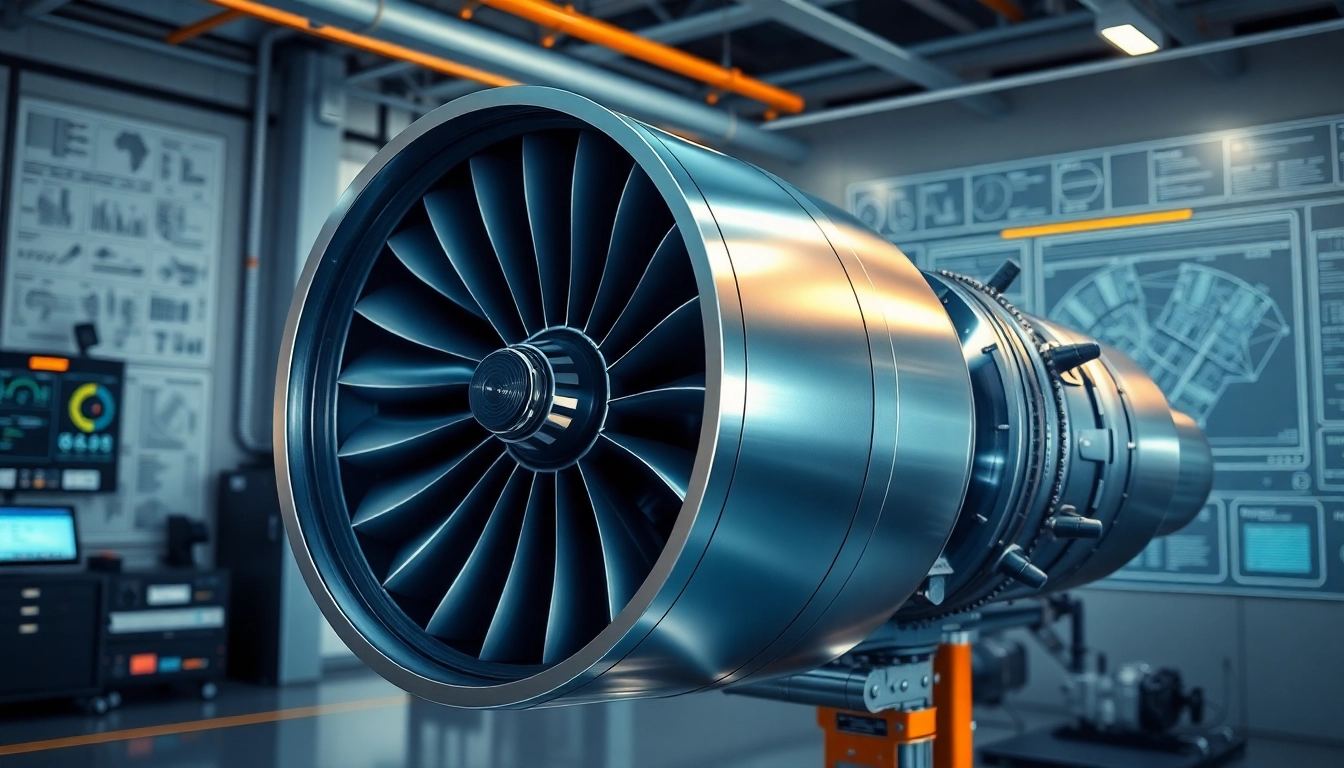
Your Introduction to the Kuznetsov NK 88 Engine
The Kuznetsov NK 88 engine is at the forefront of innovative aerospace engineering, showcasing remarkable advancements in turbofan technology. Designed to tackle the increasing demands for efficiency and performance in modern aviation, the NK 88 has emerged as a pivotal development in the realm of alternative fuel engines. This article delves into the intricacies of the NK 88, from its basic principles to its innovative applications and the challenges it faces in today’s rapidly evolving aerospace industry. By understanding the features and future potential of this engine, industry professionals and enthusiasts alike can appreciate its strategic significance in shaping the future of aviation.
For those seeking to explore more about this innovative technology, visit NK 88 for comprehensive insights and updates.
Understanding the Basics of the NK 88
The Kuznetsov NK 88 engine is an experimental turbofan designed primarily for high efficiency and reduced environmental impact. As a successor to previous models, the NK 88 represents a significant leap forward in aerodynamics and thermodynamics. It operates on a unique cycle that allows it to optimize fuel burn and reduce emissions significantly compared to conventional turbofans.
One of the most notable characteristics of the NK 88 is its capability to utilize alternative fuels, which aligns perfectly with global efforts toward sustainable aviation. This versatility not only enhances its marketability but also positions it as a key player in the aviation sector's transition to greener technologies.
The Evolution of Turbofan Engine Technology
Since the inception of jet engines, the evolution of turbofan technology has been marked by key milestones that have defined their operational efficiency. The transition from turbojets to turbofans occurred due to the latter's ability to deliver higher thrust at lower fuel consumption rates. This shift has paved the way for engines like the NK 88, which incorporates cutting-edge materials and design philosophies.
Advancements in computational fluid dynamics (CFD) and material science have allowed engineers to develop more efficient fans and turbines, directly impacting the performance metrics of modern engines. The NK 88 is a prime example of how these technologies converge to create superior engine designs capable of meeting the rigorous demands of today’s aviation market.
Key Features and Specifications of NK 88
The NK 88 boasts several key features that set it apart from its predecessors and competitors. Firstly, it is engineered with advanced composite materials that reduce weight and enhance durability. Additionally, its unique aerodynamic profile allows for superior airflow management, resulting in enhanced fuel efficiency.
- Weight: Significantly lighter than previous models.
- Thrust Output: Optimized for both subsonic and supersonic flight profiles.
- Fuel Type: Compatible with a variety of alternative fuels, including hydrogen.
- Emission Standards: Exceeds current global standards for aviation emissions.
Innovative Applications of the NK 88 in Aerospace
The Role of NK 88 in Modern Fighter Jets
The NK 88 engine's design is not merely an academic exercise; it has practical applications in modern military aviation. It is increasingly being considered for integration into next-generation fighter jets, where performance and efficiency are critical. The ability for the NK 88 to deliver high thrust while maintaining low fuel consumption makes it ideal for agile combat scenarios.
Moreover, the adaptability of the NK 88 allows for modifications to meet specific military requirements, including stealth capabilities and enhanced payload capacities.
How NK 88 Influences Fuel Efficiency
Fuel efficiency is a major concern in both commercial and military aviation. The NK 88 addresses this need effectively through its innovative design features and advanced fuel management systems. These systems allow for real-time monitoring and adjustments to fuel flow, ensuring optimal performance under various operational conditions.
Additionally, the engine's compatibility with alternative fuels not only reduces dependence on traditional aviation fuels but also promotes a sustainable approach to aviation, fostering a lower carbon footprint across the industry.
Real-World Case Studies of NK 88 Implementation
Several recent studies and prototypes have demonstrated the real-world viability of the NK 88 engine. Test flights conducted using aircraft fitted with the NK 88 have shown promising results, including significant reductions in fuel consumption and emissions compared to older engine models. These case studies provide valuable insights into the engine's performance under various conditions and its ability to meet the demands of modern aviation.
As more data becomes available, the success stories of NK 88 implementations are expected to encourage broader adoption within the aerospace sector.
Challenges in Developing the NK 88 Engine
Technical Challenges in Turbofan Engineering
Despite its groundbreaking technology, the NK 88 engine faces numerous technical challenges during its development phase. One of the primary hurdles is achieving the desired balance between thrust, weight, and efficiency. Engineers must constantly innovate to refine the engine’s components, ensuring they can withstand the intense conditions of high-speed flight while maximizing fuel efficiency.
Additionally, the integration of advanced materials often comes with higher costs and the need for specialized manufacturing techniques, complicating the development process.
Environmental Considerations for the NK 88
As the aerospace industry grapples with increasing regulatory pressures surrounding emissions, the NK 88 must navigate these environmental considerations effectively. While the engine’s design incorporates features aimed at reducing emissions, ongoing research is needed to ensure compliance with future environmental standards.
Furthermore, the development of a robust lifecycle analysis will be crucial in assessing the overall environmental impact of the engine, from production to operation and eventual disposal.
Cost Implications of NK 88 Production
Another significant factor to consider in the NK 88's development is the cost implications associated with its production. The advanced materials and technologies used to manufacture the engine typically command higher upfront costs. Therefore, establishing a viable production model that balances quality and affordability is essential for the NK 88 to succeed in the competitive aerospace market.
Effective supply chain management and strategic partnerships will also play a critical role in keeping costs down while maintaining performance standards.
The Future of Turbofan Engines: Trends and Predictions
Upcoming Innovations in Engine Design
The trajectory of turbofan engine design is poised for radical changes, with emerging trends pointing towards even greater efficiency and sustainability. Innovations such as hybrid-electric propulsion systems and advanced aerodynamics will likely redefine the capabilities of future engines. The NK 88 is well-positioned to incorporate these advancements, further solidifying its relevance in the evolving industry landscape.
Research initiatives aimed at reducing noise pollution and improving fuel efficiency are already underway, promising a new generation of engines that meet both performance and environmental standards.
How NK 88 Sets the Standard for Future Technology
The development of the NK 88 sets a benchmark for future turbofan technology, illustrating what is possible when innovation and sustainability go hand in hand. As the aviation industry moves towards more environmentally responsible practices, the NK 88 serves as a model for how cutting-edge engineering can pave the way for greener solutions without sacrificing performance.
This engine not only meets the current demands of the industry but also anticipates future trends, making it an essential focus for ongoing research and development within aerospace engineering.
Potential for Hydrogen Fuel Integration in NK 88
One of the most exciting avenues for future development within the NK 88 framework is the potential integration of hydrogen fuel. With the aviation sector increasingly considering hydrogen as a viable alternative to fossil fuels, the NK 88’s compatibility with various fuel types positions it perfectly for this transition.
Ongoing research into hydrogen combustion and the challenges related to storage and transport present new opportunities for innovation, with the NK 88 at the forefront of this movement. Such advancements could redefine flight as we know it, ushering in a new era of sustainable aviation.
Conclusion: The Strategic Importance of the NK 88
Market Prediction for NK 88 in 2025
As we look toward 2025, the market for advanced turbofan engines like the NK 88 is projected to expand significantly. The increasing global emphasis on sustainability, coupled with technological advancements in alternative fuels and engine design, suggests a strong future for the NK 88. Industry players are expected to invest heavily in incorporating this engine into new aircraft designs, aligning with both regulatory requirements and market demands for efficiency.
Final Thoughts on the Evolution of Turbofan Engines
The evolution of turbofan engines epitomizes the aerospace industry’s commitment to innovation. The NK 88, with its state-of-the-art technology and focus on sustainability, represents a pivotal step forward. As this technology continues to evolve, it will undoubtedly play a crucial role in shaping the future of aviation, meeting the challenges of both performance and environmental stewardship.
Call to Action: Engaging with Emerging Technologies
For aviation enthusiasts and industry professionals looking to stay ahead, engaging with technologies like the NK 88 is crucial. Understanding its implications not only contributes to personal knowledge but also fosters a collective move towards innovative solutions in aviation. To explore more about these emerging technologies, visit Đăng Ký NK88 and be part of the conversation in shaping the future of aerospace engineering.