
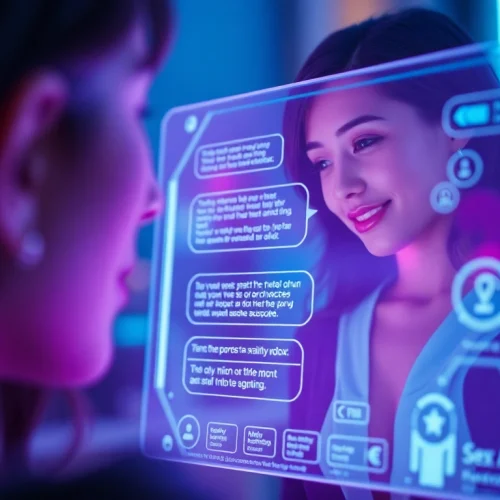
Understanding the Landscape of Sex AI
The realm of sex ai represents a growing intersection of technology and human intimacy. As artificial intelligence continues to evolve, its application in sexual technologies is reshaping how individuals experience connection, pleasure, and companionship. Understanding this landscape is essential for navigating the rapidly changing expectations and realities of modern relationships.
What is Sex AI and How Does it Work?
Sex AI refers to the use of artificial intelligence technologies to enhance or simulate sexual experiences. This includes a range of products from AI-powered chatbots that engage users in sexual conversation to advanced sex robots that provide physical companionship. Typically, sex AI systems utilize machine learning algorithms to personalize interactions based on user preferences, enabling them to mimic emotional responses and physical interactions.
At the core, these technologies leverage data from user inputs and previous interactions, allowing them to respond in increasingly sophisticated ways. For example, a chatbot may learn a person’s preferences over time, refining its conversational style to align more closely with the user’s desires. Such technologies are often accessed through mobile applications or dedicated devices that incorporate virtual reality or augmented reality features.
Current Trends in AI-Driven Sexual Technologies
The landscape of sex AI is marked by several key trends that reflect broader technological advancements:
- Virtual Companionship: With the rise of virtual reality, many platforms are now offering immersive experiences that allow users to engage with AI in lifelike scenarios.
- Personalization: AI systems are becoming increasingly adept at customizing interactions, with algorithms designed to adapt and respond to individual user needs.
- Integration with Smart Devices: Many sex AI products are now being integrated with IoT devices, enhancing the level of control users have over their experiences.
- Focus on Emotional Connections: Advances in natural language processing are enabling AI companions to engage users on an emotional level, moving beyond mere physical imitation.
Potential Benefits and Risks of Using Sex AI
Engaging with sex AI technologies can offer numerous benefits, including:
- Enhanced Privacy: Users may find comfort in the anonymity that AI companions provide, especially those exploring sexual themes they may not feel comfortable discussing with other humans.
- Accessibility: For individuals who are lonely or isolated, AI companionship can provide meaningful interaction without the pressure of human social dynamics.
- Sexual Exploration: AI can facilitate safe environments for users to explore their sexual identities and preferences without judgment.
However, there are significant risks associated with these technologies, including:
- Emotional Dependency: Users may form attachments to AI systems, leading to unhealthy relationships with technology instead of fostering real human connections.
- Misuse of Data: Privacy concerns are paramount, as many AI platforms collect sensitive personal information that can be vulnerable to breaches.
- Ethical Implications: The creation and use of AI in sexual contexts raise questions about consent, representation, and the potential for misuse.
Applications of Sex AI in Modern Relationships
Enhancing Intimacy Through Virtual Companionship
AI-powered tools are increasingly being used to enhance intimacy in both long-distance and local relationships. By providing emotional support and simulated companionship, these tools allow partners to maintain a connection despite physical barriers. Virtual reality experiences, for instance, can create shared environments where couples can interact as if they were physically together, thus enhancing their emotional bond.
Role of Sex AI in Addressing Loneliness and Isolation
In a world where loneliness is an epidemic, sex AI technologies can play a crucial role in providing companionship. For those who might struggle with social anxiety, disabilities, or geographical barriers, AI can serve as an accessible and comforting option. This technology can support mental health by giving users a sense of presence, enabling them to engage in conversations that may alleviate feelings of isolation.
Case Studies: Successful Implementations of Sex AI
Several notable case studies highlight the effective application of sex AI:
- Replica: This AI chat app allows users to create and interact with digital avatars that can engage in relational discussions, helping users develop emotional intelligence and communication skills.
- RealDoll: This company has developed hyper-realistic sex dolls that can integrate with AI to respond and interact with users in an emotionally engaging manner, creating a unique companionship experience.
- Virtual Reality Experiences: Companies such as MissingKids.org have spearheaded efforts to use virtual environments to foster relationships and social interactions in a safe, controlled manner.
Ethical Considerations Surrounding Sex AI
Privacy Concerns and Data Security in Sex AI
As with any technology that collects personal data, privacy and security are major concerns in the sex AI domain. Users must be aware of what data is being collected and how it is being used. Implementing robust privacy policies and ensuring data encryption are essential for protecting user information.
Regulatory and Legal Aspects of Sex AI Technologies
The legal landscape surrounding sex AI is still evolving, with many jurisdictions struggling to keep pace with technological advances. Issues surrounding consent, intellectual property, and the classification of sex AI products must be addressed to create a secure framework that protects users while fostering innovation.
Addressing Misconceptions and Misinformation in the Industry
Misinformation can cloud public perception of sex AI technologies. It’s crucial to offer clear, factual information to counteract myths that may lead to fear or misunderstanding. Education campaigns focusing on the safe, consensual use of sex AI could help bridge this gap and foster informed discussions.
Best Practices for Engaging with Sex AI Products
Choosing the Right Sex AI Tools for Your Needs
Choosing the right sex AI tool involves understanding your specific needs and preferences. Research various platforms, read reviews, and consider trial options to ensure that the technology aligns with your expectations. Look for products that offer robust privacy protections and user-friendly interfaces.
Maintaining Healthy Boundaries with AI Companions
It’s essential to maintain healthy boundaries when engaging with AI companions. This includes being aware of emotional dependencies and ensuring that interactions with AI do not substitute genuine human connections. Setting limits on usage and monitoring emotional responses can help keep your relationship with AI healthy.
User Reviews: What to Consider Before Trying Sex AI
When considering a sex AI product, user reviews can provide invaluable insights. Look for feedback on emotional engagement, user experience, and privacy safeguards. Real-world experiences can help inform your decision and ensure you choose a product that meets your expectations.
The Future of Sex AI: Trends and Innovations for 2025
Predicted Advances in AI Technologies for Intimacy
As we move forward into 2025, ongoing advancements in AI are expected to enrich the landscape of intimacy technologies. Expect to see improved natural language processing capabilities, allowing for even more nuanced and realistic conversations between users and AI companions.
How Sex AI Might Transform Human Relationships
The integration of sex AI into everyday life could profoundly transform human relationships. As people become more accustomed to interacting with AI, the lines between virtual and physical intimacy may blur, leading to new norms in relationship dynamics.
Innovative Features to Look Forward to in 2025 and Beyond
Future innovations may include seamless integration of AI with physical products, such as enhanced sensory feedback in sex toys or AI-enhanced virtual reality experiences that simulate physical presence. Additionally, we might see the development of AI tools focused on fostering healthy relationships, helping users develop skills and insights applicable to real-world interactions.