
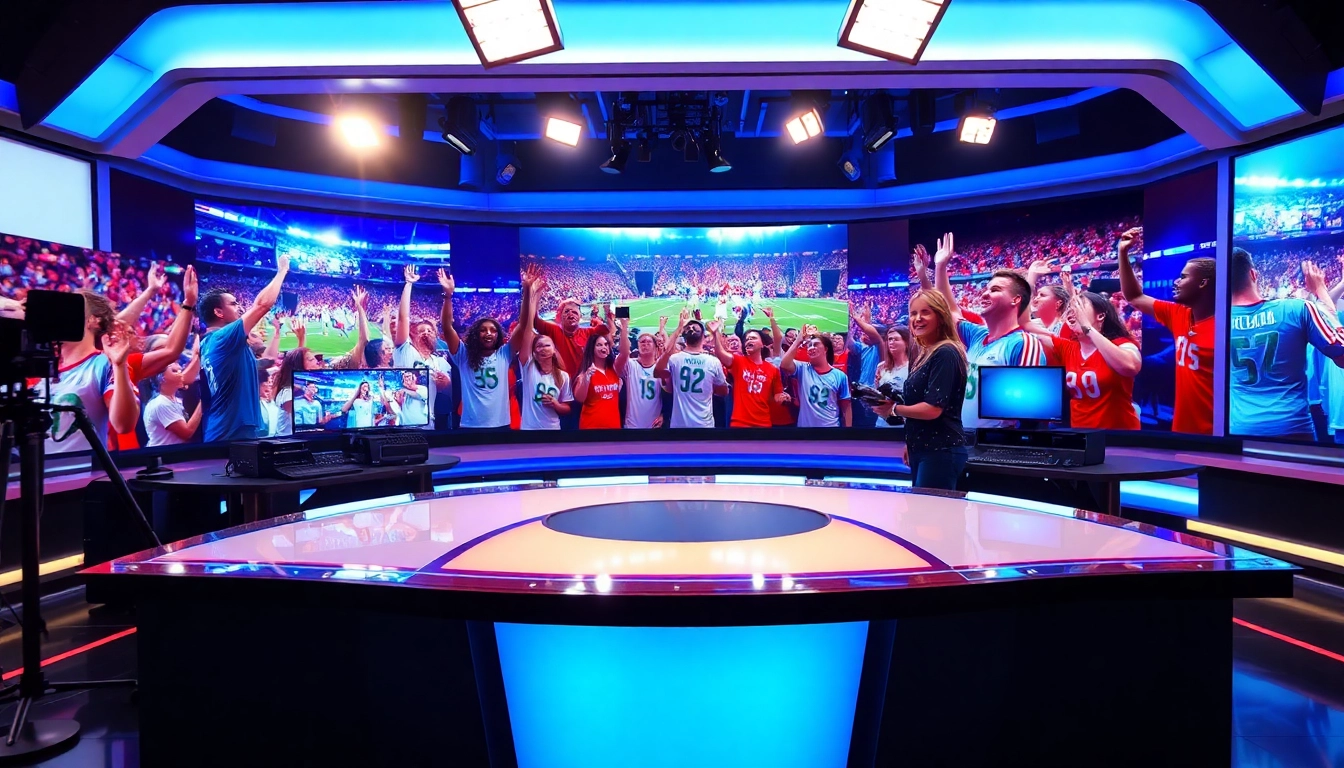
Introduction to Sports Broadcasting
Sports broadcasting is a dynamic field that combines the excitement of live sports with the skills of storytelling, technology, and audience engagement. It serves as a bridge between athletes and fans, translating live action into engaging, watchable content. As viewers increasingly consume sports content across various platforms, understanding Sports Broadcasting has become more essential than ever for aspiring professionals and enthusiasts alike. This article will explore all facets of sports broadcasting, from its core components to the latest innovations shaping its future.
Understanding the Sports Broadcasting Landscape
The sports broadcasting landscape has evolved significantly over the years, influenced by technological advancements and changing viewer preferences. Traditional television networks once dominated this space, but the rise of digital platforms has transformed how audiences consume sports. Key factors include streaming services, social media engagement, and a growing demand for on-the-go viewing options. Today, sports broadcasting encompasses everything from national league games to local college competitions, catering to diverse audiences.
Key Roles in Sports Broadcasting
Understanding the roles within sports broadcasting is critical to grasping the industry's complexity. The team typically includes:
- Producers: Responsible for overall production, overseeing logistics and content flow.
- Commentators: Provide live commentary, bringing the game to life through storytelling and insights.
- Cameramen: Capture the action from various angles, ensuring viewers don’t miss any key moments.
- Audio Engineers: Handle sound quality and balance, ensuring clear communication and immersive experiences.
- Writers: Create scripts for shows, analyses, and narratives that accompany broadcasts.
Each role is crucial for a successful production, and professionals often collaborate closely to create a seamless viewing experience.
The Importance of Viewership Metrics
Viewership metrics are essential in sports broadcasting, affecting decisions from programming to advertising strategies. Ratings provide insights into how many people are tuning into broadcasts, allowing rights holders to understand their audience better. Metrics can also reveal demographic information, helping broadcasters tailor content and advertising to specific viewers. Additionally, social media engagement can amplify viewer insights, offering real-time feedback and interaction opportunities that enrich the broadcast experience.
Essential Equipment for Sports Broadcasting
The backbone of sports broadcasting lies in its equipment. From high-definition cameras to robust audio systems, the right tools are imperative for delivering quality broadcasts.
Broadcasting Cameras and Technology
Broadcasting cameras have evolved significantly, moving from analog to digital formats that offer high-definition (HD) and even 4K resolution. Key features to consider include:
- Image Quality: High dynamic range (HDR) and low-light performance are critical for capturing on-field action.
- Mobility: Lightweight, portable cameras allow for various positions and angles.
- Remote Operation: Many modern cameras can be controlled remotely, giving flexibility to capture action from different perspectives.
Additionally, investing in camera rigs and stabilizers ensures smooth tracking shots, enhancing the visual storytelling of the broadcast.
Audio Equipment Essentials
Clear, high-quality audio is just as crucial as visual clarity in sports broadcasting. Essential audio equipment includes:
- Microphones: Wireless lavalier mics for commentators and handheld mics for interviews capture crisp sound without hindrance.
- Audio Mixers: These tools balance sound levels from various sources, ensuring a seamless audio experience.
- Headphones: Quality monitoring headphones allow audio engineers to assess sound quality while broadcasting.
Neglecting audio quality can detract from viewer engagement, making it imperative for sports broadcasters to prioritize sound setup.
Production Studio Setup
A well-organized production studio is vital for efficient broadcasting. Key components include:
- Control Rooms: Central hubs where producers and directors oversee broadcasts, managing cameras, audio feeds, and graphics.
- Editing Suites: Dedicated spaces for post-production teams to refine content after live events, ensuring quality before hitting broadcasters.
- Graphic Systems: Incorporating live stats and visuals into broadcasts enhances the viewer’s experience.
Effective studio design can facilitate quick adjustments during broadcasts, maintaining high production quality and innovation.
Live Sports Broadcasting Techniques
To engage viewers during live sports events, broadcasters rely on various techniques that enhance the experience.
Commentary Styles and Techniques
Commentary styles in sports broadcasting can vary widely, but effective commentators share common characteristics:
- Storytelling: Great commentators weave narratives around the game, providing context and enhancing the excitement.
- Emotion: Using tone and language to convey the emotional stakes of the game can heighten engagement.
- Expert Analysis: Providing insights into player strategies or game dynamics adds depth to broadcasts.
The blend of factual reporting and personal touch makes commentary a powerful tool during broadcasts.
Engaging the Audience During Live Events
Engagement is crucial in live sports broadcasting, as it's essential to keep viewers hooked throughout the event. Techniques include:
- Viewer Interaction: Encouraging real-time feedback and questions via social media creates a sense of community among viewers.
- Polls and Predictions: Engaging the audience in real-time while encouraging them to make predictions elevates their experience.
- Highlight Reels: Flashing brief highlights during breaks not only keeps interest alive but also helps casual viewers stay updated.
Prioritizing audience engagement helps build loyalty and keeps viewers returning for future broadcasts.
Utilizing Social Media for Broadcasts
Social media has become an indispensable tool in sports broadcasting, offering platforms for audience interaction and additional content. Broadcasters can expand their reach through:
- Live Updates: Providing real-time scores, commentary, and behind-the-scenes content keeps audiences engaged and informed.
- Interactive Content: Quizzes, polls, and contests encourage fans to participate and promote brand loyalty.
- Content Repurposing: Leveraging highlights or moments from broadcasts on social media maximizes reach and visibility.
Incorporating social media strategies into productions offers broadcasters the opportunity to connect with audiences on multiple levels.
Challenges in Sports Broadcasting
While exciting, sports broadcasting is fraught with challenges that require quick adaptation and innovative thinking.
Dealing with Technical Difficulties
Technical difficulties can arise unexpectedly during broadcasts, from equipment failure to signal loss. Solutions include:
- Redundancy Systems: Implement backup systems for critical hardware to maintain streaming continuity.
- Regular Maintenance: Routine checks on all equipment ensure they function properly before live broadcasts.
- Crisis Management Training: Preparing teams for quick recovery can minimize viewer disruption during technical glitches.
Thorough preparation and responsiveness to tech issues can help maintain a seamless viewing experience.
Maintaining Viewer Engagement
As viewership habits evolve, maintaining a consistent audience becomes increasingly challenging. Strategies to tackle this include:
- Diverse Content: Offering a range of sports, formats, and styles caters to different tastes.
- Personalization: Investing in personalized recommendations can enhance viewer retention.
- Quality Production: Consistent high-quality broadcasts establish trust and reliability with your audience.
Focused engagement strategies can promote loyalty and turn casual viewers into dedicated fans.
Adapting to Changing Technologies
Staying current with technological advancements is critical in sports broadcasting, with emerging technologies reshaping the industry. Essential aspects to explore include:
- New Platforms: Understanding the capabilities of streaming services and mobile apps helps in reaching wider audiences.
- Innovative Technology: Keeping an eye on virtual reality (VR) and augmented reality (AR) can open new storytelling avenues.
- Viewer Analytics: Utilizing viewer data allows for adjustments in content strategy that resonate with evolving viewer profiles.
Embracing changes ensures broadcasters stay relevant and appealing to modern audiences.
The Future of Sports Broadcasting
The landscape of sports broadcasting continues to transform at an unprecedented pace, driven by technological advancements and shifting viewer preferences.
Trends Shaping the Industry
Several trends are shaping the future of sports broadcasting, including:
- Increased Accessibility: Enhanced access to sports through mobile and on-demand platforms is revolutionizing viewer interactions.
- Personalized Experiences: Use of artificial intelligence to analyze viewer habits will allow broadcasters to create tailored content.
- Global Reach: Streaming services expand the ability to reach international audiences, further diversifying viewer demographics.
Continuously evolving trends indicate a promising future but require adaptability from broadcasters.
Impact of Streaming Services
Streaming services have fundamentally altered the dynamics of sports broadcasting. Their impact is evident in:
- On-Demand Viewing: Audiences can watch games at their convenience, changing programming expectations.
- Subscription Models: New revenue models are emerging as advertisers and networks must navigate subscriber bases to maximize profits.
- Increased Competition: Traditional broadcasters now face substantial competition from agile streaming platforms.
To thrive, traditional broadcasting must evolve and leverage the strengths of digital platforms while maintaining their unique assets.
Emerging Technologies in Broadcasting
Emerging technologies are poised to significantly enhance sports broadcasting. Notable developments include:
- 5G Technology: The rollout of 5G networks promises lower latency and higher data transfer rates, revolutionizing live broadcasts.
- Enhanced Graphics: Advanced graphic design can improve the storytelling of live sports, providing dynamic, engaging visuals.
- Data-Driven Insights: AI and machine learning can analyze game data in real-time, providing deeper insights for viewers and analysts alike.
As innovations continue to emerge, sports broadcasting will likely become an even more interactive and engaging experience for fans worldwide.
Frequently Asked Questions (FAQs)
What is sports broadcasting?
Sports broadcasting involves the transmission of live and recorded sports events, integrating commentary, analysis, and entertainment to engage viewers.
What are essential roles in sports broadcasting?
Key roles include producers, commentators, cameramen, audio engineers, and writers, each contributing to a cohesive broadcast production.
How has technology impacted sports broadcasting?
Technology has revolutionized sports broadcasting through HD visuals, streaming platforms, and enhanced viewer engagement via social media and analytics.
What challenges does the industry face?
Challenges include technical failures, maintaining viewer engagement, and adapting to rapid technological changes impacting broadcasting strategies.
What trends are influencing the future of sports broadcasting?
Key trends include increased accessibility through streaming, personalized content, and the integration of emerging technologies like AR and AI.