Understanding Water Leak Detection
Water leaks can often go unnoticed until they cause extensive damage, making effective water leak detection vital for homeowners. With advanced technologies and expert techniques, professionals can identify leaks before they escalate into costly repairs. By choosing a reliable service, you not only safeguard your property but also ensure the longevity of your plumbing systems. When exploring options, water leak detection provides comprehensive insights into your plumbing health.
What is Water Leak Detection?
Water leak detection refers to the process of identifying leaks within a plumbing system before they lead to significant damage. This can involve both visible leaks and hidden leaks that may reside behind walls, under floors, or in other inaccessible areas. Techniques range from simple visual inspections to advanced technologies that utilize sensors and imaging tools to locate leaks accurately.
Importance of Timely Detection
Timely detection of water leaks is crucial to prevent structural damage, mold growth, and increased utility costs. A small leak can lead to severe issues over time, resulting in not just repair costs but also potential health risks associated with mold and mildew. By addressing leaks promptly, homeowners can save money and ensure their living environment remains safe and healthy.
Common Types of Water Leaks
- Hidden Leaks: Often found within walls or under floors, these can go unnoticed until they cause significant damage.
- Pipe Leaks: Bursts and corrosion in pipes can lead to substantial water loss and property damage.
- Fixtures and Appliances: Leaks from faucets, toilets, water heaters, and other appliances can also contribute to larger plumbing issues.
- Slab Leaks: These leaks occur beneath the foundation of a home, often requiring specialized detection techniques to identify and repair.
Advanced Technologies in Water Leak Detection
As technology evolves, so does the efficiency of water leak detection methods. Utilizing advanced equipment not only improves accuracy but also minimizes disruption to the property. These innovative techniques can significantly reduce the time and effort required for leak detection.
Thermal Imaging Techniques
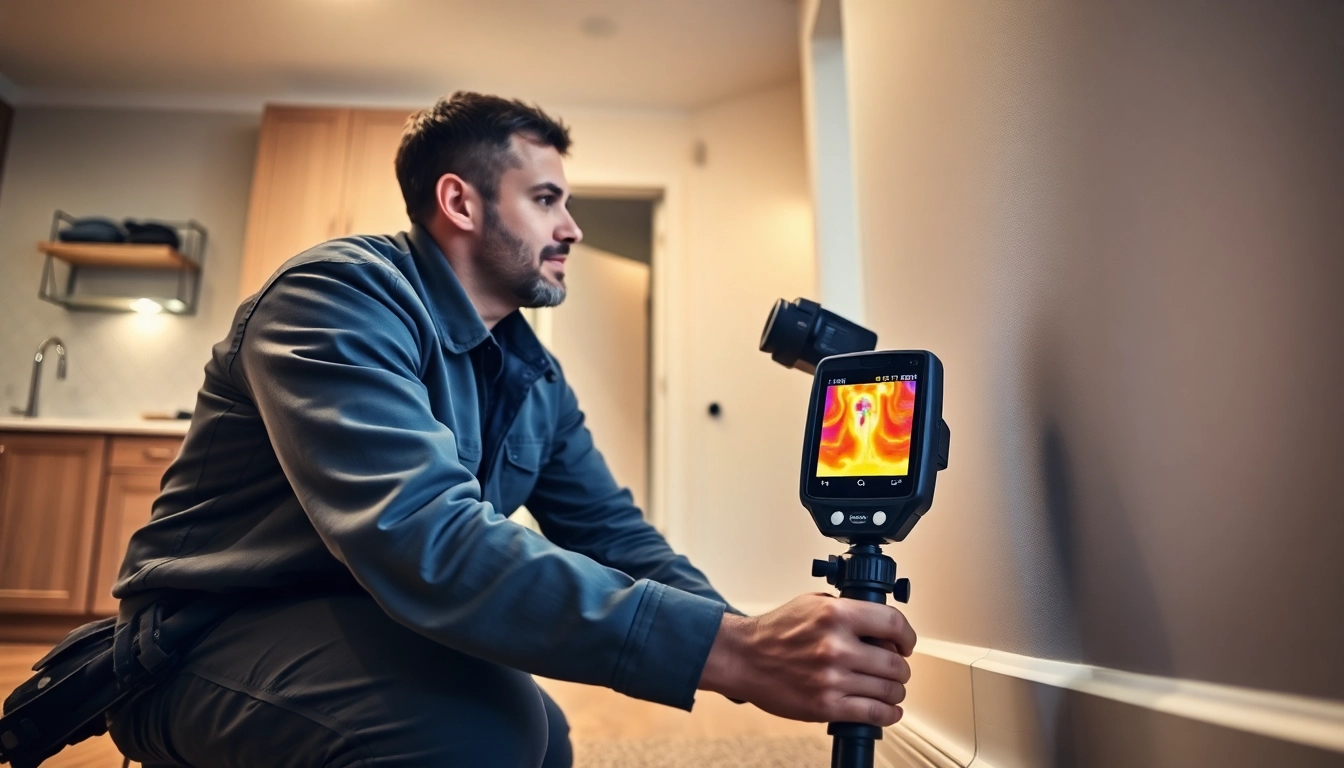
Thermal imaging cameras detect temperature differences within the walls, floors, and ceilings of a property. A leak often causes a change in temperature, which can be visualized using thermal imaging. This non-invasive technique allows technicians to pinpoint leak locations without needing to break open walls or disrupt flooring.
Acoustic Listening Devices
Acoustic listening devices amplify sound waves produced by leaking water. Technicians use these tools to identify even the faintest sounds of water escaping from pipes, whether they are buried underground or hidden behind walls. This method is particularly effective for locating leaks in complex plumbing systems.
Tracer Gas Detection Methodology
Tracer gas detection involves introducing a harmless, odorless gas into the plumbing system and monitoring for its escape. This method is particularly useful for detecting very small leaks or those located deep within inaccessible areas. The use of tracer gas allows for precise identification of the leak’s location without significant disruption.
The Process of Professional Leak Detection
When engaging a professional leak detection service, the process typically involves several key steps to ensure thorough and effective results. Understanding this process can help homeowners appreciate the value of professional services.
Initial Assessment and Inspection
The first step in professional leak detection is an initial assessment, where technicians evaluate the property for visible signs of leaks. This assessment often includes a discussion with the homeowner to understand any symptoms they’ve noticed, such as unusual dampness or elevated utility bills.
Non-Invasive Techniques Explained
Many leak detection methods are designed to be non-invasive. This means that technicians can identify leaks without needing to destroy walls or floors. By using technologies like thermal imaging and acoustic devices, they can limit the impact on the home while still providing accurate results.
Reporting Findings and Recommendations
Once leaks are identified, professional services provide detailed reports that outline their findings. These reports typically include photographs, the extent of damage, and clear recommendations for repairs. This transparency helps homeowners make informed decisions regarding the next steps.
Cost Factors for Water Leak Detection Services
Total costs for water leak detection services can vary widely based on several factors, including the complexity of the leak, the location, and the specific technologies used. Understanding these cost factors can help homeowners budget appropriately and avoid unexpected expenses.
Understanding Pricing Models
Most leak detection companies offer a range of pricing models. Some may charge a flat fee for an inspection, while others may charge based on the time spent or the complexity of the job. Homeowners should inquire about pricing structures during their initial consultations.
Comparing DIY vs. Professional Services
While DIY methods for locating leaks might seem appealing, they often lack the precision and reliability of professional services. For example, using a basic moisture meter may help find surface leaks, but it won't detect hidden issues accurately, leading to potentially costly repairs down the line.
Long-term Savings from Early Leak Detection
Investing in professional water leak detection services can lead to significant long-term savings. Early detection not only prevents extensive property damage and associated repair costs, but it also reduces the likelihood of health risks from mold and mildew that can arise from prolonged leaks.
Future Trends in Water Leak Detection
The field of water leak detection is continuously evolving, driven by technological advancements and increasing consumer awareness. Staying informed about future trends can help homeowners make better choices regarding their plumbing systems.
Innovations to Watch in 2025
As we move towards 2025, several innovations are expected to shape the landscape of water leak detection. Smart technologies and IoT devices are becoming increasingly prevalent, allowing for real-time monitoring and alert systems that notify homeowners of leaks as soon as they occur.
The Rise of Smart Home Integration
Integration of water leak detection with smart home systems is a growing trend. Homeowners can now use mobile apps to monitor their plumbing systems remotely, receive alerts about potential leaks, and even shut off water supplies automatically, thereby enhancing safety and convenience.
Consumer Awareness and Eco-Friendly Solutions
With rising concerns about environmental impact, there is an increasing demand for eco-friendly leak detection solutions. Companies are developing technologies that not only detect leaks but also utilize environmentally safe methods, ensuring that both homes and the planet are protected.