Understanding Hidden Leak Detection
Every homeowner dreads the possibility of a leak in their property—it can lead to extensive damage, mold growth, and skyrocketing water bills. This concern is magnified when it comes to hidden leaks, which often remain undetected until they have caused significant damage. Hidden leak detection is a specialized service that focuses on identifying water leaks that are not visible to the naked eye. By employing advanced technologies and methods, professionals can accurately pinpoint the location of these leaks, preventing further damage and excessive repair costs. With the right leak detection services, you can safeguard your home and significantly reduce the risk associated with undetected leaks, making hidden leak detection an essential service for homeowners.
What is Hidden Leak Detection?
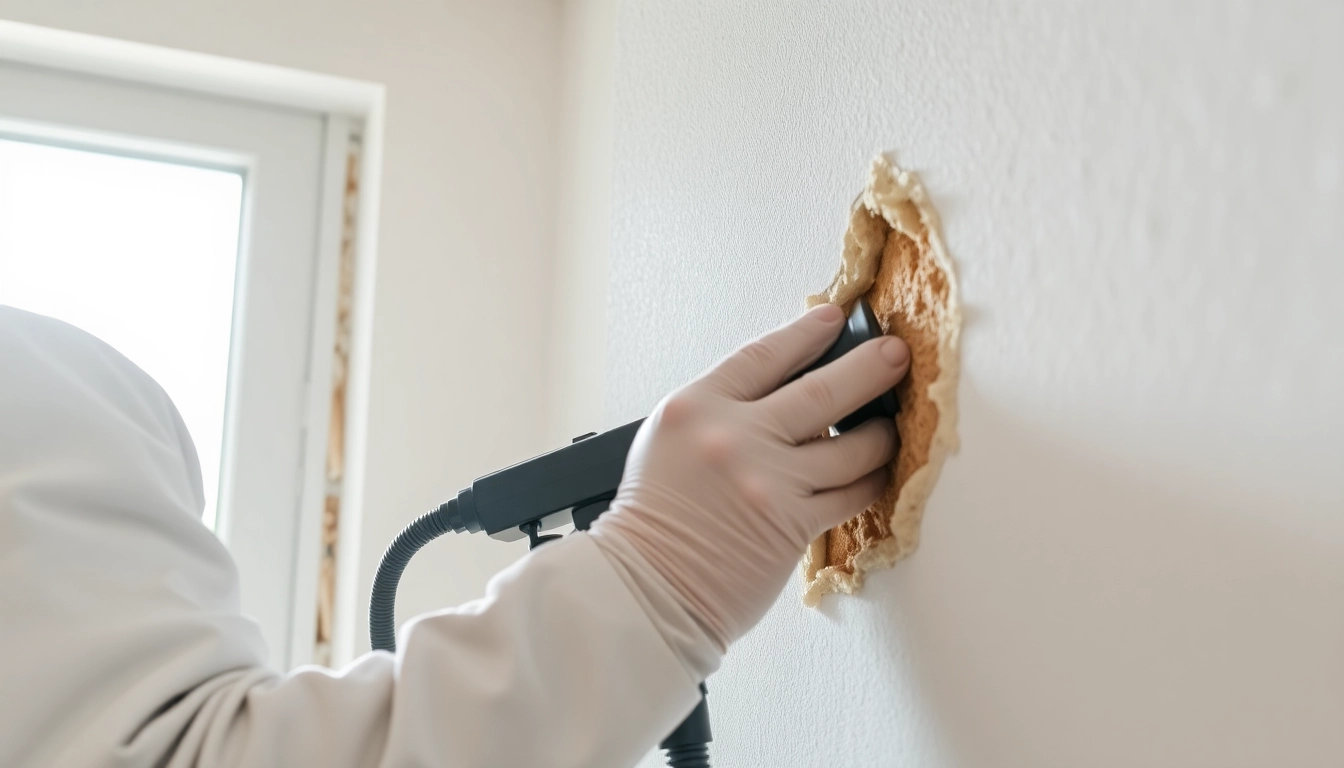
Hidden leak detection refers to the process of identifying leaks that are concealed behind walls, under floors, or in other inaccessible areas within a building. Unlike visible leaks, which can be easily spotted, hidden leaks often require advanced technologies and techniques for detection. Common methods include thermal imaging, acoustic devices, and pressure testing, which can effectively locate leaks without the need for invasive measures that might damage your property.
Importance of Early Leak Detection for Homeowners
Detecting leaks early is crucial for homeowners. The longer a leak goes undetected, the more damage it can inflict on your home. Here are several reasons why early leak detection matters:
- Preventing Structural Damage: Water can weaken the structural integrity of your home, leading to costly repairs.
- Avoiding Mold Growth: Mold thrives in damp environments, and undetected leaks can create the perfect breeding ground.
- Reducing Water Bills: Hidden leaks can cause excessive water consumption, resulting in higher utility bills.
- Protecting Your Health: Mold and mildew can cause serious health issues, especially for those with respiratory conditions.
Common Causes of Hidden Leaks in Homes
Understanding the common causes of hidden leaks can help homeowners take preventive measures and be vigilant. Some prevalent causes include:
- Corroded Pipes: Aging or poorly maintained plumbing can lead to corrosion and eventual leaks.
- Temperature Fluctuations: Changes in temperature can cause pipes to expand and contract, leading to cracks and leaks.
- Tree Roots: Invasive roots from nearby trees can penetrate underground pipes, creating leaks.
- Improper Installation: Poorly installed plumbing or connections can lead to leaks over time.
Advanced Technologies in Leak Detection
Modern leak detection relies heavily on technology to ensure accurate and efficient results. Utilizing advanced methods allows professionals to identify leaks quickly, minimizing damage to property.
Utilizing Thermal Imaging for Accurate Detection
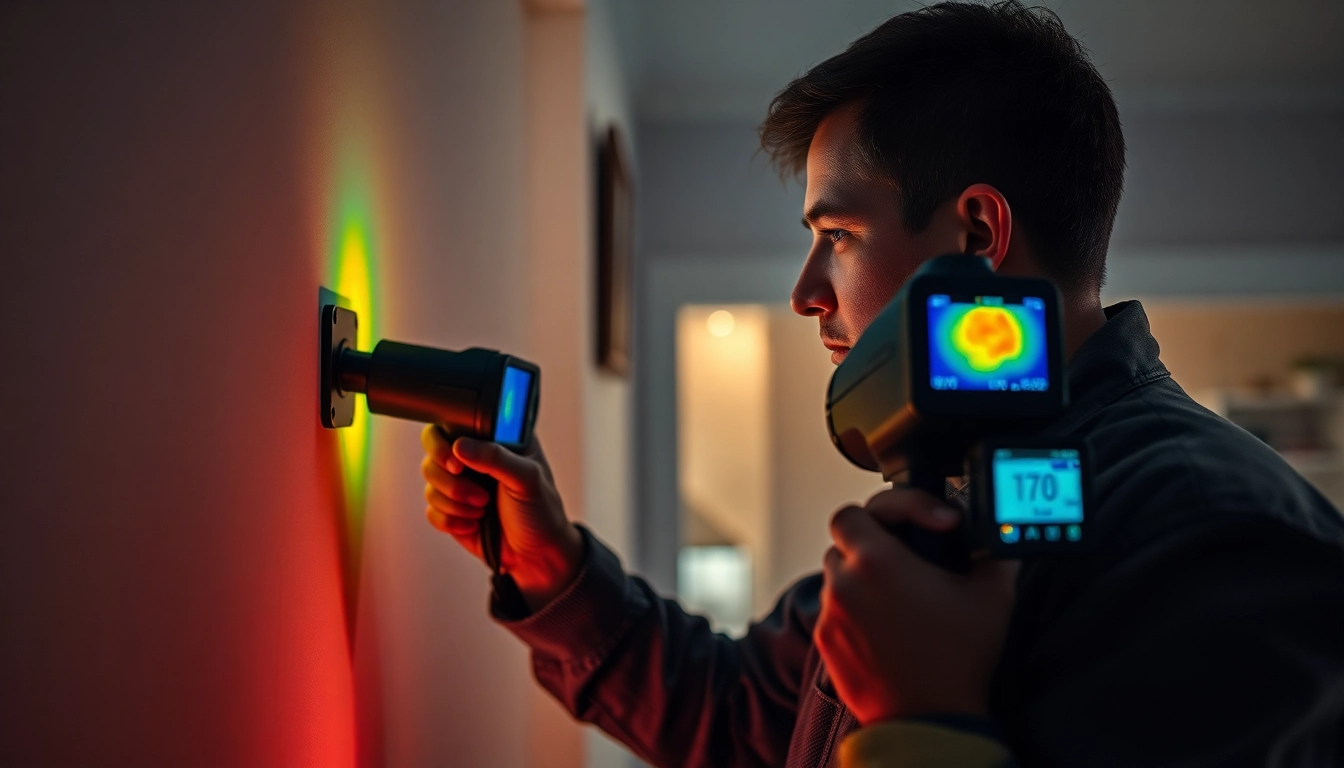
Thermal imaging cameras are a significant tool in leak detection. These cameras detect temperature differences caused by moisture escaping from pipes, making it easier to locate leaks behind walls or under floors. The technology works by highlighting cooler areas that indicate the presence of water, allowing technicians to pinpoint leaks without invasive procedures.
The Role of Acoustic Devices in Identifying Leaks
Acoustic listening devices are another crucial technology in the industry. These devices can pick up the sound of water escaping through pipes, even if they are buried underground. By identifying the sound frequency associated with leaks, professionals can determine the precise location of the issue, leading to faster and more effective repairs.
Pressure Testing: A Proven Method for Leak Assessment
Pressure testing involves isolating sections of plumbing and monitoring for pressure drops, which signal a leak. This method is particularly effective for discovering hidden leaks in water supply lines. By maintaining pressure within the system, technicians can detect even the smallest leaks and address them before they escalate into more significant problems.
Non-Invasive Methods for Leak Detection
Homeowners are often concerned about the potential damage caused by traditional leak detection methods. Fortunately, non-invasive technologies have revolutionized the process, allowing for accurate leak detection with minimal disruption.
Benefits of Non-Invasive Techniques for Homeowners
Non-invasive techniques come with numerous benefits, including:
- Minimal Disruption: These methods do not require extensive drilling or cutting, preserving the integrity of your home.
- Faster Results: Non-invasive methods allow for quicker identification of leaks, reducing the time taken to initiate repairs.
- Cost-Effectiveness: By preventing unnecessary damage to walls and floors, homeowners can save on repair costs.
How to Prepare Your Home for Leak Detection Services
Preparing your home for a leak detection service can help streamline the process. Here are some steps to take:
- Ensure accessibility to all areas of your home, especially places where plumbing may be hidden.
- Clear away any furniture or obstacles near suspected leak areas.
- Provide a briefing about any noticeable symptoms of leaks, such as damp spots or unusual sounds.
What to Expect During a Non-Invasive Inspection
During a non-invasive leak inspection, you can expect technicians to conduct a thorough assessment using various technologies. They will utilize thermal imaging, acoustic devices, and pressure tests to accurately identify leak locations without causing damage. At the end of the assessment, you will receive a detailed report outlining findings and recommended actions.
Preventive Measures Against Hidden Leaks
Taking preventive measures can help reduce the likelihood of experiencing hidden leaks in your home. Here are some practical tips for homeowners:
Regular Home Maintenance Tips to Avoid Leaks
Routine maintenance is crucial for preventing leaks. Consider these tips:
- Inspect plumbing regularly for signs of corrosion or wear.
- Seal any visible gaps around pipes to prevent moisture infiltration.
- Maintain your home's humidity levels to prevent excessive condensation on pipes.
Signs of Potential Hidden Leaks to Watch For
Being vigilant about potential signs of hidden leaks can save you from extensive damage. Watch for:
- Unexplained increases in your water bill.
- Wet spots on walls, ceilings, or floors.
- Mold or mildew growth in unusual areas.
Investing in Smart Plumbing Solutions for Leak Prevention
Smart plumbing solutions, such as leak detection systems and smart meters, can help monitor water usage and alert homeowners to potential leaks. Investing in these technologies can provide peace of mind and help avoid the cost and hassle of typical leak detection services.
Choosing the Right Leak Detection Service
Selecting the right leak detection service is essential for ensuring your home is protected from water damage. Here’s what to consider:
How to Evaluate Leak Detection Companies
When evaluating potential leak detection services, consider the following:
- Check for certifications and licensed technicians.
- Look for reviews and testimonials from past clients.
- Inquire about the technologies and methods they use.
Questions to Ask Before Hiring a Leak Detection Expert
Don’t hesitate to ask important questions when interviewing potential contractors:
- What specific technologies do you utilize for leak detection?
- Can you provide references from previous clients?
- What is your approach to non-invasive leak detection?
Understanding No Find No Fee Agreements in Leak Detection
No find, no fee agreements can offer significant peace of mind. These agreements ensure that you only pay for services if a leak is found. It’s important to understand the terms of such agreements to avoid any unexpected fees down the line.