Understanding Everest Base Camp Trek Packages
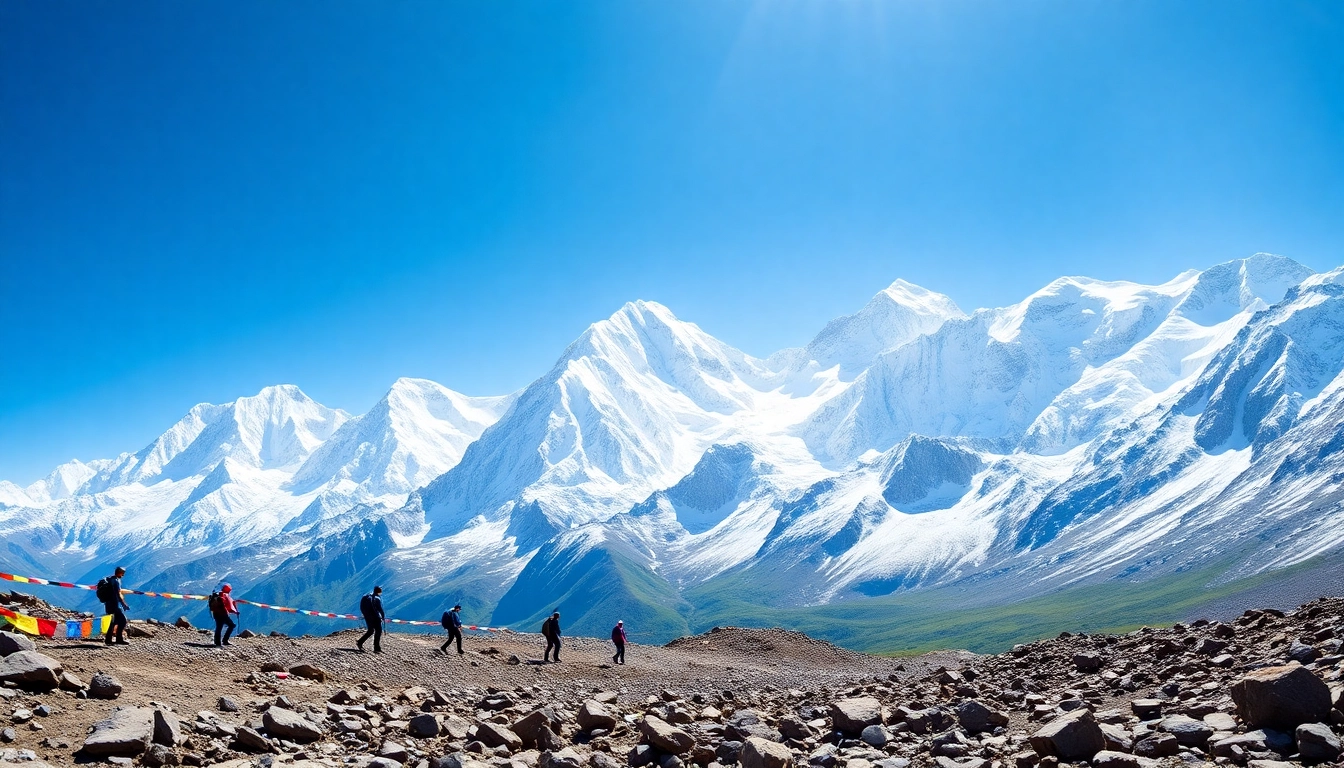
Embarking on the Everest Base Camp trek is a dream for many adventure enthusiasts, where breathtaking landscapes merge with rich cultural experiences. Selecting the right package is crucial in ensuring that trekkers enjoy a hassle-free and memorable journey. Everest base camp trek packages typically offer various options designed to suit different budgets and travel preferences. Understanding the components of these packages can help trekkers make informed decisions and maximize their experience in the majestic Himalayas. When exploring options, Everest base camp trek packages provide comprehensive insights into itinerary choices, inclusions, and costs, ensuring trekkers choose what suits their needs best.
What is Included in Everest Base Camp Trek Packages?
Everest Base Camp trek packages can vary significantly but typically include the following core components:
- Accommodation: Most packages cover lodging in teahouses or lodges along the trekking route, providing an authentic experience of local hospitality.
- Meals: Standard packages generally include breakfast, lunch, and dinner daily, featuring a mix of Nepali and international cuisine to cater to various dietary preferences.
- Transportation: Packages usually encompass domestic flights from Kathmandu to Lukla and back, essential for accessing the trekking region.
- Guides and Porters: Experienced trekking guides and porters are typically included, ensuring safety and assistance with gear, enhancing the trekking experience.
- Permits: Most packages cover the necessary trekking permits, such as the Sagarmatha National Park permit and TIMS (Trekking Information Management System) card.
Overview of Different Package Options: Standard vs. Luxury
The Everest Base Camp trek packages generally come in two main categories: standard and luxury. In standard packages, trekkers can expect basic yet comfortable teahouse accommodations, shared bathrooms, and group dining experiences. This option is designed for those seeking an authentic trekking adventure without compromising too much on comfort.
On the other hand, luxury packages offer enhanced facilities, including higher-end lodges, private rooms, and often additional amenities like hot showers and gourmet meals. These packages are ideal for travelers looking for more comfort while still immersing themselves in the incredible natural beauty surrounding Everest.
Cost Breakdown for 2025: What to Expect
The cost for Everest Base Camp trek packages can range from approximately $1,200 to $4,500, depending on the package type, inclusions, and duration. On average, standard packages will be priced around $1,650 for a 14-day trek, while luxury options may start from $2,500 and can go significantly higher. Factors influencing the pricing include:
- Duration of the trek including acclimatization days
- Accommodation quality and dining options
- Inclusion of additional activities like guided tours or extra excursions
- Travel season demand and group size
Essential Preparations for the Trek
Preparation is key to a successful Everest Base Camp trekking experience. Understanding the physical demands and being equipped with the right gear and knowledge can significantly enhance your journey. Here’s what you need to consider:
Physical Fitness: Training Tips for Trekkers
Prior physical preparation is crucial for tackling the challenges of the Everest Base Camp trek. The trek requires endurance, as trekkers will walk approximately 5 to 8 hours daily across varying terrain. It’s advisable to begin a physical training regimen at least two months prior to the trek.
Engaging in activities like running, cycling, and long-distance hiking will help build stamina. Incorporating strength training exercises, especially for the legs and core, is also highly recommended. Additionally, practicing walking with a weighted backpack will help simulate the trekking experience, preparing your body for the altitude and exertion levels.
Gear and Packing List for Everest Base Camp
Having the right gear is essential for comfort, safety, and enjoyment during the trek. Here’s a packing list to get you started:
- Clothing: Layers of moisture-wicking clothing, warm trekking jackets, insulated jackets, gloves, hats, and waterproof pants.
- Footwear: Comfortable, broken-in trekking boots with good ankle support, and flip-flops or camp shoes for the teahouses.
- Essentials: A good quality sleeping bag, trekking poles, a hydration system or water bottles, a first aid kit, and personal medication.
- Accessories: Sunglasses, sunscreen, a headlamp, a daypack, and power banks for charging electronic devices.
Acclimatization: Importance and Strategies
Acclimatization is crucial when trekking to Everest Base Camp, as it plays a significant role in preventing altitude sickness. Spending extra days at key points, such as Namche Bazaar and Dingboche, allows your body to adjust to the altitude incrementally. During these acclimatization days, you can undertake short hikes to higher elevations before returning to lower altitudes for rest. This strategy promotes better oxygen absorption and overall well-being during the trek.
Navigating the Trekking Experience
The Everest Base Camp trek is not only about reaching a destination, but it is also about experiencing the journey through breathtaking landscapes and rich Sherpa culture. Here’s a breakdown of what to expect on the trail:
Daily Itinerary: What Each Day Entails
The Everest Base Camp trek usually unfolds over 14 days, allowing trekkers to acclimatize and immerse themselves in the vibrant culture and stunning natural beauty of the region. A typical day involves:
- Early morning wake-up and breakfast
- Morning trekking session with breaks to enjoy the views
- Lunch at a teahouse or a scenic spot
- Continued trekking in the afternoon leading to your overnight stop
- Evening relaxation, meal, and possibly cultural experiences or discussions with guides
Highlights Along the Trail: Key Experiences and Sights
Throughout your trek, there are numerous highlights that create unforgettable memories, including:
- Namche Bazaar: The vibrant Sherpa capital, where you can visit markets and acclimatize.
- Tengboche Monastery: The largest monastery in the region, offering stunning views of the Everest range.
- Kala Patthar: The best vantage point to witness the sunrise over Mount Everest.
- Everest Base Camp: The ultimate destination where climbers prepare for their ascent, surrounded by the mesmerizing Khumbu Glacier.
Cultural Insights: Engaging with Sherpa Communities
The Everest region is home to the Sherpa people, whose rich culture is integral to the trekking experience. Interactions with the locals can give trekkers a deeper understanding of their traditions, including their strong sense of community and spirituality. Participating in cultural ceremonies, visiting local schools, and tasting traditional dishes, such as Dal Bhat, can enhance your journey immensely. Respect for their customs and lifestyle is pivotal in fostering positive interactions.
Health and Safety Considerations
Your health and safety during the trek is of utmost importance. Understanding potential risks and how to mitigate them can ensure a more enjoyable experience.
Altitude Sickness: Symptoms and Prevention
Altitude sickness is a common challenge faced by trekkers in the Everest region. Symptoms can range from mild headaches and fatigue to severe nausea and dizziness. To prevent altitude sickness, it’s essential to:
- Ascend gradually and allow for acclimatization days
- Stay hydrated by drinking plenty of water
- Avoid alcohol and heavy meals
- Recognize early symptoms of altitude sickness and descend if necessary
First Aid and Medical Support During the Trek
Each trekking group should carry a comprehensive first aid kit, which includes medications for altitude sickness, pain relief, and bandages for potential injuries. Additionally, experienced guides are trained in first aid and can provide assistance in emergencies. Some lodges may also have access to basic medical services, but being prepared with first aid knowledge and supplies is crucial.
Insurance: What Coverage You Need Before Trekking
Acquiring travel insurance is an essential step before embarking on the Everest Base Camp trek. Ensure your policy covers high altitude trekking, medical evacuations, and potential cancellations due to unforeseen circumstances. This can be a lifesaver in emergencies or unexpected changes in your travel plans.
Future Trends in Trekking and Adventure Travel
The trekking landscape is continually evolving, and staying updated on future trends can enhance your planning experience. Here’s what you can expect for the future of trekking in Nepal:
Emerging Trends for Trekking in Nepal for 2025
In 2025, expect to see an increase in eco-friendly trekking practices, as sustainability becomes a priority for many adventure travelers. This includes using local resources responsibly, minimizing waste, and supporting local economies. Emphasis on immersive cultural experiences and smaller group sizes will also grow in popularity, allowing for more personalized interactions.
The Role of Sustainable Tourism in the Everest Region
Sustainable tourism practices are crucial in preserving the delicate environment of the Everest region. Initiatives aimed at reducing the ecological footprint, supporting local communities, and promoting conservation are becoming more common. Travelers are encouraged to choose trekking companies that prioritize sustainability in their operations.
Expert Insights: What Travel Companies Are Doing Differently
Travel companies are increasingly offering flexible itineraries that allow trekkers to adapt to changing conditions and personal needs. Many are incorporating advanced technology for real-time tracking and communication to enhance safety measures. Personalized service, with smaller group sizes and customized packages, will likely become the norm as companies strive to meet the evolving expectations of trekkers.