1. Understanding the Fly Screen for Patio Doors
What Is a Fly Screen for Patio Doors?
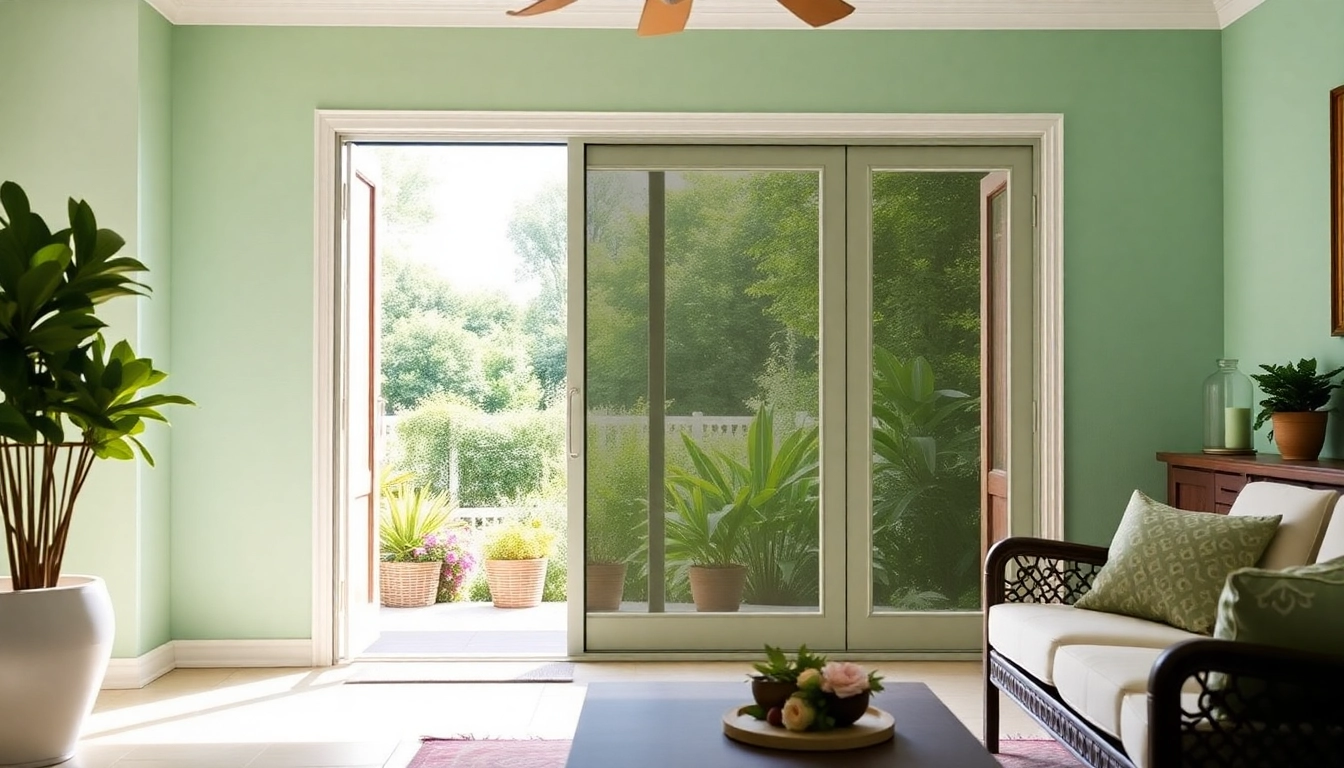
A fly screen for patio doors is a mesh barrier designed to prevent insects from entering the home while allowing fresh air to circulate. Typically made from durable materials such as fiberglass or aluminum, these screens are custom-fit to standard or unique door dimensions, ensuring seamless integration with your patio entrance. By selecting a custom fly screen for patio doors, homeowners can enhance their living space without compromising on style or function.
How It Works to Keep Insects Out
The primary function of a fly screen is to create a barrier that keeps pests like flies, mosquitoes, and other unwanted insects at bay. These screens employ tightly woven mesh that allows for airflow but blocks the entry of larger pests. Some models also feature magnetic strips or weighted mechanisms that keep the screen in place even in windy conditions. This not only safeguards your home from annoying insects but also maintains a more pleasant atmosphere indoors.
Key Features to Consider
When considering a fly screen for patio doors, several key features can influence your choice:
- Material: Choose between fiberglass, aluminum, or retractable screens based on your longevity requirements.
- Mesh Size: Smaller mesh holes can prevent even the tiniest bugs from entering.
- Custom Fit: Tailored options provide perfect coverage and effective sealing.
- Ease of Use: Look for user-friendly mechanisms such as roll-up, sliding, or magnetic closures.
- Design: Select colors and styles that complement your home’s decor.
2. Benefits of Installing a Fly Screen for Patio Doors
Improved Comfort and Airflow
One of the most significant advantages of installing a fly screen for patio doors is the enhancement of indoor comfort. During warmer months, these screens facilitate unrestricted airflow, creating a refreshing ambience without the intrusion of insects. This natural ventilation reduces the dependence on air conditioning, leading to lower energy bills and a more sustainable lifestyle.
Enhanced Aesthetic Appeal
Fly screens can elevate the visual appeal of your home. Available in various designs and color options, these screens can harmonize with your existing patio aesthetics. Whether you have a modern, rustic, or traditional home, a well-chosen fly screen enhances your outdoor views while providing functionality.
Protection Against Insects and Allergens
Beyond just deterring bugs, a fly screen for patio doors helps keep out allergens like pollen and dust. This is particularly beneficial for individuals with respiratory issues or allergies. By effectively filtering out such irritants while still permitting fresh air to flow through, you create a healthier home environment.
3. Choosing the Right Fly Screen for Your Patio Doors
Varieties Available in the Market
There are several types of fly screens available, each catering to different needs and preferences. Common varieties include:
- Fixed Screens: Permanent installations that provide consistent protection.
- Retractable Screens: Convenient options that can be opened or closed as needed.
- Magnetic Screens: Easy access systems suitable for high-traffic areas.
- Sliding Screens: Ideal for wide patio doors, permitting quick entry and exit.
Factors to Evaluate When Selecting
When selecting a fly screen for your patio doors, consider the following factors:
- Door Measurements: Precise measurements ensure a snug fit, maximizing efficacy.
- Usage Frequency: If you frequently enter and exit, opt for more durable and easy-to-use options.
- Local Climate: Insects prevalent in your area may dictate the mesh type required.
- Budget: Prioritize features based on your budget while ensuring quality.
Customization Options for Unique Spaces
Customizing your fly screen for patio doors allows you to choose features that fit your unique space perfectly. Custom options may include unique dimensions, color matching, or tailored functionality like additional security features. Take advantage of these options to ensure your fly screen blends seamlessly with your patio area.
4. Installation Process for Fly Screens on Patio Doors
Tools and Materials Needed
Before starting the installation process, gather the following tools and materials:
- Measuring tape
- Drill and drill bits
- Screwdriver
- Level tool
- Fly screen kit
- Scissors
- Safety goggles
Step-by-Step Installation Guide
- Measure Your Door: Carefully measure the width and height of your patio door frame for an accurate fit.
- Prepare the Screen: Cut the screen material as needed, ensuring it is slightly larger than the doorframe.
- Install the Frame: Using screws, install the frame of the fly screen according to manufacturer instructions.
- Attach the Mesh: Securely attach the mesh to the frame, ensuring there are no gaps.
- Test the Operation: Open and close the screen to check for smooth operation and make any necessary adjustments.
Common Installation Mistakes to Avoid
To ensure a successful installation of your fly screen for patio doors, avoid these common pitfalls:
- Inaccurate Measurements: Always double-check measurements before cutting materials.
- Poor Alignment: Ensure the frame is straight and level during installation.
- Skipping Instructions: Follow the manufacturer's installation guide carefully to prevent errors.
5. Maintenance and Care for Your Fly Screen
Regular Cleaning Tips
Maintaining your fly screen ensures it functions optimally. Perform regular cleaning to remove dust and debris:
- Sweep or Vacuum: Use a soft brush or vacuum to eliminate dust.
- Wash with Water: Lightly rinse the screen with water to remove stubborn grime.
- Inspect for Damage: Regularly check for tears or wear, addressing any issues promptly.
How to Handle Repairs
If your fly screen sustains damage, repairs can often be done without needing a complete replacement:
- Patch Holes: Small holes can be patched with screen repair tape.
- Replace Mesh: For larger damages, consider re-meshing the screen instead of a full replacement.
Maximizing Longevity and Performance
To ensure your fly screen for patio doors stays effective over time, consider the following best practices:
- Store Properly: During off-seasons, consider removing the screen to avoid weathering.
- Avoid Too Much Tension: Ensure the mesh is taut but not over-stretched to prevent damage.
- Regular Inspections: Periodically inspect and maintain your fly screen to extend its lifespan.
FAQs About Fly Screens for Patio Doors
1. How long do fly screens last?
The lifespan of a fly screen can vary widely based on the material and usage, but they typically last 5 to 10 years with proper maintenance.
2. Can I install a fly screen myself?
Yes, many fly screens come with DIY installation kits and user-friendly instructions, making the installation process relatively straightforward.
3. How do I clean my fly screen?
Regular cleaning can be done by gently vacuuming or using soft brushes, followed by rinsing with water to remove stubborn dirt.
4. Are fly screens effective against all bugs?
Fly screens are effective against most flying insects but may not block all pests. Use finer mesh screens for better filtration if needed.
5. What is the cost of a fly screen for patio doors?
The cost can vary widely based on size, material, and custom features, generally ranging from $50 to $300.