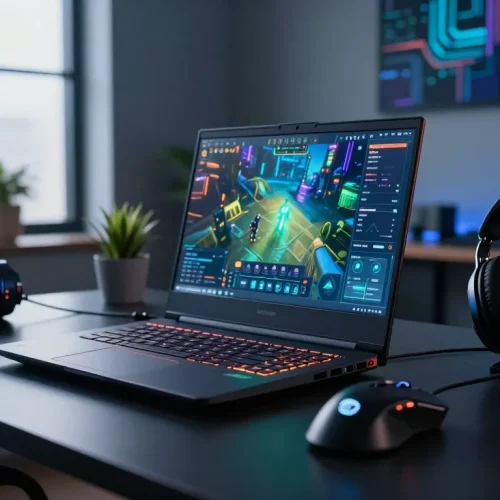

Understanding Industry Trends in Gaming
What are Industry Trends?
Industry trends refer to the patterns and movements within a specific sector over a given period. In the gaming industry, these trends can encompass technological advancements, shifts in consumer preferences, emerging genres, and changes in market dynamics. Understanding industry trends is crucial for stakeholders to adapt their strategies and meet the evolving expectations of players. These trends provide insight into what is gaining traction among gamers and help companies forecast future developments in gaming.
Importance of Keeping Up with Trends
Staying updated with industry trends is vital for several reasons:
- Competitive Advantage: Companies can leverage insights into industry trends to gain a competitive edge. Understanding what works and what doesn’t allows businesses to refine their offerings and capture a larger market share.
- Consumer Relevance: Trends often reflect the interests of consumers. By aligning products and marketing strategies with current trends, companies can enhance their relevance within the market.
- Investment Strategies: Investors also benefit from understanding these trends. Knowledge of which technologies or game genres are on the rise can inform better investment decisions.
Current Overview of Gaming Trends
The gaming industry has experienced rapid shifts over recent years, propelled by technological advancements and changing player demographics. From the rise of mobile gaming to the integration of augmented and virtual reality, the landscape is continuously evolving. Furthermore, the advent of cloud gaming has changed how players access games, allowing them to play on various devices without the need for high-end hardware. Keeping a pulse on these trends can help businesses navigate the complexities of the gaming market.
Technological Innovations Shaping Industry Trends
Emergence of AI and VR in Gaming
Artificial Intelligence (AI) and Virtual Reality (VR) have revolutionized the gaming experience. AI is now used to create more interactive and responsive NPCs (non-player characters), enabling a more immersive experience. Developers can program AI to learn from player behaviors, adjusting game difficulty and interaction based on the player’s style. Meanwhile, VR provides players with a 360-degree immersive experience, allowing them to engage with the game world like never before. Titles such as “Half-Life: Alyx” demonstrate the boundless potential of these technologies in creating deeply engaging gameplay.
Next-Gen Consoles and Their Impact
The launch of next-gen consoles such as the PlayStation 5 and Xbox Series X has raised the bar for gaming graphics and performance. These consoles utilize cutting-edge technology to deliver ultra-fast loading times, high frame rates, and stunning visuals, thereby enhancing the gaming experience. As developers strive to maximize the potential of these consoles, we can expect increasingly sophisticated and visually stunning games, further attracting a diverse player base and setting new industry standards.
Blockchain Gaming: A Trend to Watch
Blockchain technology is making waves in the gaming industry, introducing concepts such as ownership and interoperability. Blockchain gaming allows players to truly own in-game assets, thanks to non-fungible tokens (NFTs). This innovation empowers players, as they can trade, sell, or use their assets across different games. Titles like “Axie Infinity” have popularized this model, highlighting a growing trend where players invest in digital assets as a new means of income, thereby transforming how games are evaluated in terms of economic value.
Market Dynamics and Player Preferences
Shifts in Player Demographics
Traditionally, gaming was predominantly male-dominated, but demographic shifts are reshaping the industry. Today, women comprise a significant portion of gamers, with studies showing that nearly half of all gamers identify as female. Moreover, the increasing accessibility of games across various platforms has led to a broader age range of players engaging with gaming. This diversification opens the door for more tailored experiences catering to different interests, paving the way for innovative gameplay mechanics and storylines that resonate with a wider audience.
Analyzing Player Behavior and Engagement
Understanding player behavior is essential for game developers and marketers. Analyzing data on how players interact with games offers insights into their preferences, enabling the personalization of game experiences. Features such as adaptive difficulty levels or customized in-game rewards can enhance engagement, ensuring players remain invested in the gaming experience. Additionally, social interactions within games, such as cooperative or competitive play, can further drive engagement, reflecting players’ desires for community and social connectivity.
Market Growth: Key Statistics and Insights
The gaming industry continues to experience impressive growth. According to industry reports, the global gaming market is projected to reach over $200 billion by 2023. Mobile gaming, in particular, has seen significant growth, with revenues expected to surpass those of traditional console and PC gaming combined. This growth is fueled by the increasing number of smartphone users across the globe and the gradual shift towards digital distributions, which allow for easier access to a wider range of games.
Challenges Facing the Gaming Industry Today
Addressing Game Accessibility and Inclusion
While the gaming industry has seen substantial growth, challenges regarding accessibility and inclusion remain prevalent. Many traditional gaming interfaces can be challenging for players with disabilities. Developers are increasingly focusing on creating accessible gaming experiences, such as customizable controls and screen readers, to ensure that everyone can engage with games. This commitment not only expands the player base but also meets ethical standards in the industry.
Regulatory Challenges Affecting Industry Trends
The global gaming landscape is also impacted by various regulatory challenges. Different countries have different laws regarding loot boxes, online gambling, and age restrictions. Companies must navigate these regulations carefully to avoid legal issues and ensure their products reach the right audience. As the industry evolves, staying compliant while still innovating remains a critical challenge for developers and publishers alike.
Balancing Innovation with User Experience
Innovation is a double-edged sword in the gaming industry. While introducing new features and technologies can captivate players, it is crucial not to alienate existing users. Striking the right balance between innovation and user experience is vital for maintaining a loyal player base. Developers must continually solicit feedback and conduct user testing to refine game mechanics, ensuring that new initiatives enhance rather than detract from player enjoyment.
Future Predictions for the Gaming Industry
Forecasting the Next Big Trends
As the gaming industry continues to evolve, several trends are anticipated to shape its future. The continued rise of immersive technologies such as AR and VR suggests that we will see more hybrid gaming experiences that blur the lines between reality and the digital world. Additionally, the integration of social elements into gaming, possibly through enhanced virtual communities, may redefine how players interact with each other and the games themselves.
Investment Opportunities in Emerging Technologies
With the rapid evolution of technology in gaming, there are numerous investment opportunities. Companies focusing on AR/VR development, cloud gaming services, and blockchain technologies are gaining traction in the market. Investors should pay close attention to startups and emerging companies that are pioneering innovative solutions or game concepts that leverage these technologies, as they often provide lucrative returns as the industry expands.
Strategizing for Market Success
For companies in the gaming industry, agility and adaptability will be key to market success. Crafting a robust strategy that incorporates trending technologies, understands consumer behavior, and responds to market dynamics will pave the way for success. Partnerships, collaborations, and a commitment to nurturing community can further enhance a company’s market positioning, ensuring they not only keep pace with industry trends but also set them.