
Understanding the HM88 Series: Key Features and Benefits
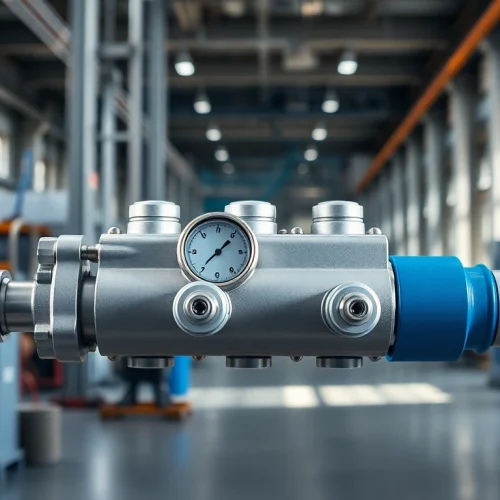
The HM88 Series is a game-changer in the field of industrial valves, engineered to meet the rigorous demands of modern applications. Designed primarily for fluid control, the HM88 Series integrates innovation with functionality, making it a go-to solution for various industries. When exploring options, hm88 provides comprehensive insights into the capabilities and configurations of this cutting-edge product line.
Overview of the HM88 Series Design
The HM88 series features a robust design that ensures reliability and efficiency across various operational environments. Constructed from high-grade materials, these valves are resistant to corrosion and wear, which prolongs their service life. The compact structure allows for close-coupling with differential pressure transmitters, facilitating a streamlined installation process. The design adheres to industry standards, ensuring compatibility with existing systems.
Innovative Features of the HM88
The HM88 Series boasts several innovative features that enhance operational efficiency:
- High Precision Control: Equipped with a finely-tuned regulating mechanism, the HM88 guarantees precise control over fluid flow.
- Advanced Sealing Technology: The valve employs cutting-edge sealing technology that minimizes leaks, contributing to safer operations.
- Modular Design: Its modular design allows for easy customization and upgrades based on specific application needs.
- Smart Integration: The HM88 Series can be equipped with IoT sensors, paving the way for real-time monitoring and control.
Applications Across Industries
The versatility of the HM88 Series makes it suitable for a multitude of applications, including:
- Oil and Gas: Utilized in extraction and refining processes, where high pressure and corrosive environments prevail.
- Manufacturing: Essential in assembly lines that require robust and reliable fluid control solutions.
- Aerospace: Used in various aerospace applications, where precision and safety are paramount.
- Pharmaceuticals: Critical in the movement of sensitive liquids where contamination must be avoided.
Choosing the Right Valve: What to Consider with HM88
When selecting the right valve for your needs, there are several factors to consider to ensure optimal performance. Understanding these elements can help you make an informed decision when exploring the HM88 Series.
Compatibility with Existing Systems
Ensuring compatibility with existing pipelines and control systems is crucial. The HM88 Series is designed to align with standard industry connections, making it easier to integrate into current setups. Evaluate the specifications of your existing systems against the HM88 capabilities to confirm a seamless installation.
Performance Metrics and Specifications
Consider the performance metrics and specifications that matter most for your application:
- Flow Rates: Assess the maximum and minimum flow rates that the HM88 can handle to ensure they meet your operational needs.
- Pressure Ratings: Understand the pressure ratings of the valve to guarantee safe operation under your system’s conditions.
- Temperature Tolerance: Ensure that the valve can withstand the temperature ranges typical in your application.
Common Challenges in Selection
Selecting the right valve often comes with challenges, including:
- Identifying the correct specifications can be daunting without proper guidance.
- Balancing cost with performance needs may require further analysis.
- Understanding the long-term implications of your choice on maintenance and operational efficiency is vital.
Installation and Maintenance Best Practices for HM88
Proper installation and maintenance of the HM88 Series will ensure long-lasting performance and reliability. Here’s a step-by-step guide along with maintenance practices to consider.
Step-by-Step Installation Guide
Follow these steps for an effective installation of the HM88 Series:
- Prepare the Site: Ensure the installation site is clean and free from debris.
- Align the Valve: Position the valve according to the manufacturing guidelines, ensuring it aligns with existing piping.
- Secure Connections: Use appropriate tools to secure connections tightly without over-tightening, which could damage the valve.
- Test Before Full Operation: Conduct pressure tests to ensure there are no leaks before proceeding to full operational capacity.
Regular Maintenance Techniques
Regular maintenance is essential to prolong the life of the HM88 Series. Here are techniques to consider:
- Routine Inspections: Schedule regular inspections to check for leaks or signs of wear.
- Cleaning: Ensure that the area around the valve is clean to prevent contamination.
- Lubrication: Utilize appropriate lubricants where necessary to maintain optimal operation.
Troubleshooting Common Issues
Despite best practices, issues may arise. Common problems include leakage and malfunctioning controls. Here’s how to address them:
- Leakage: Check seals and connections; replace any worn components.
- Control Issues: Verify that the control mechanisms are functioning correctly and recalibrate if necessary.
Case Studies: Successful Implementations of the HM88
Various industries have successfully implemented the HM88 Series, showcasing its adaptability and efficiency. Let’s explore some case studies to illustrate its impact.
Industry Analysis: Manufacturing
In the manufacturing sector, a major automotive parts producer adopted the HM88 Series to enhance their fluid transfer systems. By utilizing its precision control capabilities, they achieved a 15% increase in production efficiency while reducing waste by 10%.
Sector Insights: Oil and Gas
In an oil extraction facility, the HM88’s durability under extreme conditions proved invaluable. The installation of these valves reduced maintenance downtime by 20%, enhancing overall operational efficiency and safety.
Case Study: Aerospace Applications
A leading aerospace manufacturer integrated the HM88 Series into its assembly lines, where the need for precision is critical. The result was a significant reduction in production errors, leading to cost savings and improved product reliability.
Future Trends in Valve Technology: The Path for HM88
The landscape of valve technology is continuously evolving. The HM88 Series is well-positioned to adapt to new trends that will shape the industry in the coming years.
Emerging Technologies in Valve Design
Innovations such as smart valves equipped with IoT capabilities will allow for enhanced monitoring and control. The HM88 Series is expected to integrate these technologies, offering users real-time data and predictive maintenance options.
Predicted Industry Shifts by 2025
By 2025, the industry is likely to shift towards greater sustainability. The HM88 Series is poised to lead this change by incorporating environmentally friendly materials and energy-efficient designs.
Expert Insights on the Future of the HM88 Series
Industry experts predict that the HM88 will not only maintain its relevance but will also redefine standards for reliability and efficiency in fluid control. Continuous innovation will ensure it meets the evolving needs of various sectors.