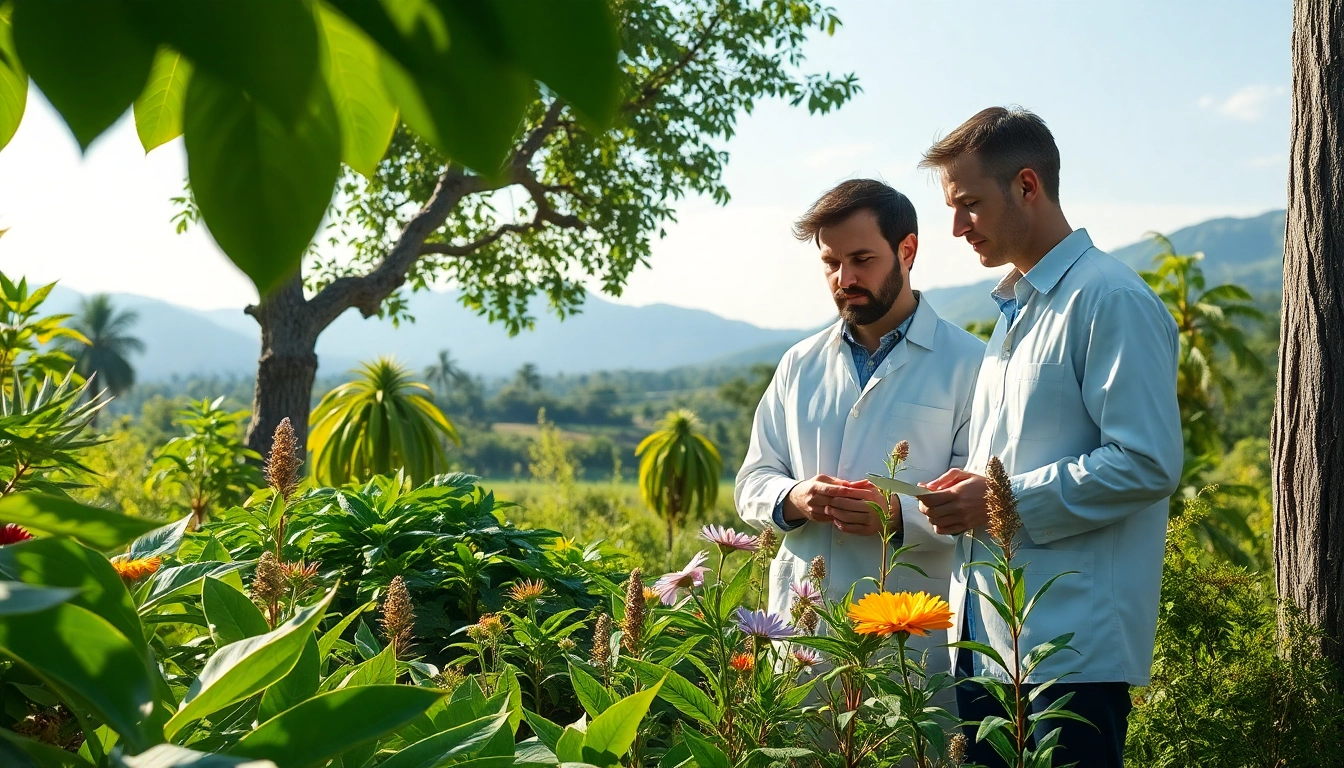
Understanding DMT and Its Origins
N,N-Dimethyltryptamine, commonly referred to as DMT, is a potent psychedelic compound that has captivated the interest of researchers, enthusiasts, and spiritual seekers alike. Often hailed as the “spirit molecule,” DMT occurs naturally in various plants and animals, leading to its exploration in traditional and modern contexts. Many are eager to understand how to get dmt for personal or therapeutic experiences. This guide delves into what DMT is, its origins, legal status, methods of extraction, health considerations, and frequently asked questions surrounding its use.
What is DMT?
DMT is a tryptamine molecule that shares structural similarities with neurotransmitters such as serotonin and melatonin. This similarity is significant as it allows DMT to interact with serotonin receptors in the brain, leading to its profound effects on consciousness. Users typically report intense visual and auditory hallucinations, along with experiences of otherworldly realms and entities. Unlike other psychedelics, the effects of DMT are relatively short-lived, often lasting only a few minutes to an hour depending on the method of consumption.
Natural Sources of DMT
DMT is not synthesized solely in labs; it occurs abundantly in nature. Some prominent sources include:
- Mimosa hostilis: A plant often used in traditional shamanic practices.
- Psychotria viridis: Known for its use in ayahuasca brews.
- Desmodium gangeticum: A lesser-known source found in tropical regions.
These plants contain varying concentrations of DMT, making them popular choices for both traditional and modern extraction practices.
The Process of DMT Extraction
Extraction methods for DMT typically involve using solvents to isolate the compound from plant material. The most common methods include acid-base extraction, where acidic solutions help to dissolve DMT into a liquid form, followed by a base to precipitate the compound. These extraction processes require careful handling of chemicals to ensure safety and effectiveness.
Legal Landscape Surrounding DMT
The legal status of DMT varies significantly from country to country. Understanding this landscape is crucial for anyone considering obtaining or using the substance.
Current Laws in the U.S.
In the United States, DMT is classified as a Schedule I drug under the Controlled Substances Act, indicating that it is illegal to possess, distribute, or manufacture for any non-research purposes. However, certain groups have been allowed to use DMT in religious rituals, notably within the context of ayahuasca ceremonies conducted by indigenous peoples.
Implicit Risks and Regulations
The risks associated with obtaining DMT can be considerable. Engaging in illegal activities poses legal repercussions, including imprisonment or fines. Additionally, the unregulated market can expose users to adulterated substances, increasing the risk of harmful effects.
Comparative Overview of Global Regulations
Globally, DMT’s legal standing varies widely. In some countries, it remains banned, while in others, it is used in specific religious or cultural contexts with exemptions. A study of these regulations underscores the nuances of international drug policies, illustrating the need for increased awareness and education on psychedelic substances.
How to Get DMT Naturally
For those interested in the natural acquisition of DMT, understanding extraction methods is vital. This section outlines several approaches while emphasizing safety and legality.
Preparing for Extraction Methods
Before undertaking extraction, ensure that you are educated about the specific plant material you are using, as well as the chemicals involved in the process. Preparation also includes gathering necessary equipment, such as glass jars, solvents, and safety gear.
Exploring Plant-Based Extraction Techniques
Various techniques can be employed to extract DMT from plants:
- Acid-Base Extraction: A common method utilizing acidic and alkaline solutions to separate DMT from botanical matter.
- Cold Water Extraction: A simpler method that may yield lower concentrations but is safer and more accessible.
- Alcohol Extraction: Utilizing alcohol as a solvent can effectively extract DMT, although it requires specific safety measures.
Each technique varies in complexity and effectiveness, requiring careful consideration of safety and legality before proceeding.
Safety Measures During Extraction
When extracting DMT, personal safety should be the utmost priority. This includes wearing gloves, masks, and eye protection while handling chemicals. Proper ventilation in the extraction area is also essential to minimize exposure to toxic vapors.
Health Effects and Considerations
As with any psychoactive substance, understanding the potential health effects of DMT is crucial for informed use.
Potential Benefits of DMT
Although illegal in many places, DMT has been studied for potential therapeutic benefits, including:
- Enhanced Creativity: Some users report heightened creative insight.
- Therapeutic Potential: Emerging research suggests potential for treating depression and anxiety.
- Spiritual Experiences: Many users find profound spiritual meaning in their experiences.
These benefits warrant further scientific investigation, particularly in structured clinical settings.
Risks and Side Effects
Conversely, there are inherent risks associated with DMT use. Side effects may include:
- Intense Visual Disturbances: While often desired, these can be overwhelming.
- Panic or Anxiety: Some users experience distress during their DMT journey.
- Physical Reactions: Nausea or dizziness can occur, especially when consumed with other substances.
A responsible approach to use involves knowing your mental health history and consulting with a healthcare professional when appropriate.
Recognizing Psychological Impacts
The psychological impacts of DMT can be profound and transformative for some, while others might find the intensity confusing or overwhelming. Being prepared mentally and emotionally for the experience can help mitigate negative outcomes.
FAQs on DMT and Usage
How is DMT consumed?
DMT can be consumed in various ways, including smoking, vaporizing, or in the form of ayahuasca, a traditional brew consumed during ceremonies.
Is DMT safe for everyone?
Safety varies by individual. Factors such as mental health history, the setting of use, and the presence of a trusted guide can all influence safety.
Can DMT be used for therapeutic purposes?
Preliminary studies suggest DMT may offer therapeutic benefits, particularly for mental health conditions. However, research is still ongoing.
What are the legal consequences of DMT possession?
Possession of DMT is illegal in many jurisdictions and can result in severe legal consequences, including fines or imprisonment.
Where can I find more information on DMT?
Comprehensive information on DMT can be found through online resources, books on psychedelics, and clinical research papers focusing on its effects and uses.