
Understanding Fly Screen Doors
What is a fly screen door?
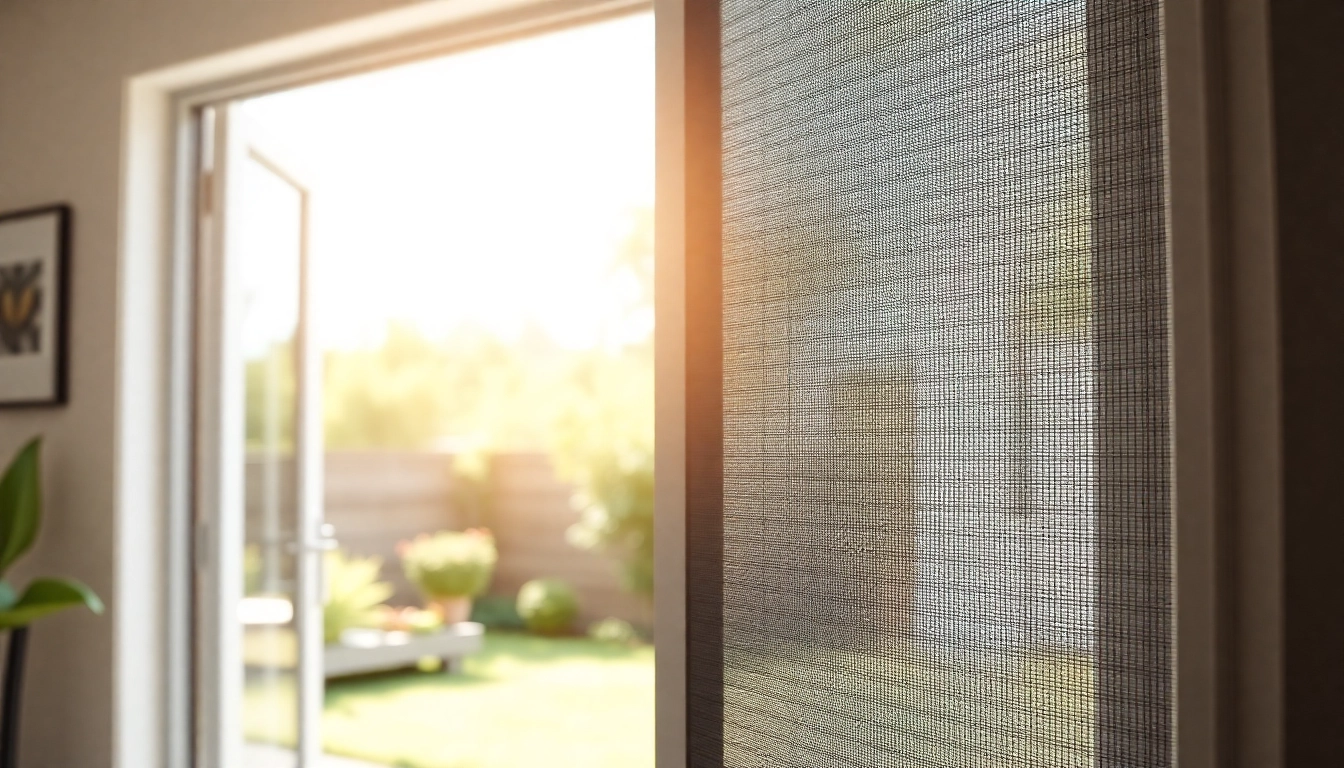
A fly screen door is a specially designed door feature that typically consists of a mesh screen that covers openings, allowing fresh air and light into a space while keeping out insects, debris, and other pests. These doors can be installed in various types of doorframes, providing an effective barrier against unwanted intruders without sacrificing the natural atmosphere of your home. The primary purpose of a fly screen door is to enhance ventilation while maintaining the cleanliness and comfort of your living spaces.
Types of fly screen doors available
There are several types of fly screen doors to choose from, depending on your needs and preferences:
- Magnetic Fly Screen Doors: These feature magnetic strips that allow easy entry and exit while automatically closing behind you, making them ideal for households with pets or frequent foot traffic.
- Retractable Fly Screen Doors: Designed to retract into a housing when not in use, these screens are less obtrusive and blend seamlessly with your door frame.
- Fixed Fly Screen Doors: Usually installed permanently, these screens provide a cost-effective solution, but may require removal during the off-season.
- Sliding Pleated Fly Screen Doors: These offer a stylish and space-efficient option, as they slide open and closed when needed, making them particularly suitable for larger openings.
- Pet-Friendly Fly Screens: Equipped with flaps or special designs to accommodate pets, these screens allow furry friends to move in and out freely.
Benefits of installing a fly screen door
Installing a fly screen door presents numerous benefits:
- Insect Protection: Fly screen doors effectively block flies, mosquitoes, and other insects, creating a more pleasant living environment.
- Improved Ventilation: These doors allow fresh air to circulate while keeping the interior space cool and comfortable.
- Energy Efficiency: By regulating airflow, fly screens can help reduce reliance on air conditioning, resulting in lower energy bills.
- Enhanced Aesthetics: Modern fly screen designs are available in various styles and colors, adding to the aesthetic appeal of your home.
- Increased Home Value: A well-installed fly screen door can enhance the value of your property by improving its functionality and appearance.
Choosing the Right Fly Screen Door
Factors to consider when selecting
When choosing a fly screen door, consider the following factors:
- Size: Ensure you measure your door frame accurately, as an ill-fitting screen will not provide effective pest control.
- Material: The material of the screen should be durable and suitable for your climate. Fiberglass and aluminum are popular choices for their resilience.
- Type of Use: Identify how frequently you will use the door. For high-traffic areas, opt for a magnetic or retractable screen for convenience.
- Style: Consider your home’s decor. A stylish design can enhance the overall look while serving its functional purpose.
- Budget: Set a realistic budget to narrow down options that offer the best value for your investment.
Measuring for a perfect fit
To ensure your fly screen door fits perfectly, follow these measuring steps:
- Measure the height and width of the door frame from the inside edges.
- For a very exact fit, account for any obstructions like handles or hinges.
- Document measurements in inches or centimeters and double-check for accuracy.
- When ordering, specify your measurements to avoid complications during installation.
Customization options for your fly screen door
Many suppliers offer customization options for fly screen doors:
- Size Variations: Custom sizes can accommodate non-standard door frames.
- Color Choices: Choose colors that match your home exterior for a seamless look.
- Frame Materials: Options like wood or metal frames may be available depending on the style you prefer.
- Screen Materials: Different mesh types (e.g., pet-proof, UV blocking) can be selected based on your specific needs.
- Special Features: Consider additional features, such as easy-open systems or integrated lighting.
Installation Process for Fly Screen Doors
Tools needed for installation
To install a fly screen door, gather the following tools:
- Measuring tape
- Drill and drill bits
- Screwdriver
- Level
- Safety glasses
- Utility knife
- Stapler (if applicable)
Step-by-step installation guide
Follow this step-by-step guide for a successful installation:
- Start by removing any existing door and cleaning the frame.
- Position the fly screen door in the frame to ensure it fits properly.
- Attach any brackets or mounting hardware according to the manufacturer’s instructions.
- Use a level to ensure the screen is aligned properly, adjusting as necessary.
- Secure the screen door in place using screws, ensuring it opens and closes smoothly.
- Test the fly screen door several times to confirm proper functionality and make any necessary adjustments.
Common installation mistakes to avoid
To ensure a successful installation, avoid these common pitfalls:
- Improper measurements leading to an ill-fitting screen.
- Skipping the leveling step, which can cause a crooked installation.
- Neglecting to test the door after installation.
- Using the wrong type of screws or hardware, which can affect durability.
- Failure to clean the frame properly before installation, potentially leading to issues with adhesion.
Maintaining Your Fly Screen Door
Cleaning tips for longevity
Maintain your fly screen door to ensure it lasts longer by following these cleaning tips:
- Dust and wipe with a soft cloth regularly to prevent build-up.
- Use a garden hose to rinse off debris but avoid direct high-pressure sprays.
- For tough stains, a mild soap solution can be used, followed by rinsing with water.
- Avoid corrosive cleaners that can damage the screen material.
- Inspect the door regularly for signs of wear or damage.
How to repair common damages
If your fly screen door suffers damage, here are some quick repair tips:
- Torn Screen: Small tears can be patched with screen repair tape or a small piece of matching mesh.
- Loose Frame: Tighten screws or replace any damaged parts to maintain stability.
- Stuck Door: Lubricate the tracks or hinges if the screen does not slide smoothly.
- Direct Damage: For large rips or severe damage, you may need to replace the entire screen.
- Weather Wear: Regularly check the screen for wear from elements and act promptly to fix issues.
Seasonal maintenance checklist
To keep your fly screen door in optimal condition, follow this seasonal maintenance checklist:
- Spring: Clean the screens and check for tears. Make any necessary repairs.
- Summer: Inspect for insects and ensure fitment to keep pests out.
- Fall: Clean the door again and check for product integrity post-summer.
- Winter: If applicable, remove the screen to avoid damage from weather extremes and store it properly.
Frequently Asked Questions about Fly Screen Doors
1. How effective are fly screen doors in keeping bugs out?
Fly screen doors are highly effective at preventing insects from entering a space while allowing fresh air and light to flow through. Properly fitted screens can block a variety of pests, including flies and mosquitoes.
2. Can I install a fly screen door myself?
Yes, installing a fly screen door can often be a DIY project, given you have the correct tools and follow installation instructions carefully. Ensure accurate measurements to achieve a proper fit.
3. What materials are fly screen doors made from?
Fly screen doors are commonly made from materials such as fiberglass, aluminum, and stainless steel, each offering varying levels of durability and pest protection based on your specific needs.
4. Are fly screen doors energy efficient?
Yes, fly screen doors enhance energy efficiency by facilitating proper ventilation, reducing the need for air conditioning, and helping maintain comfortable temperatures in your home.
5. How do I clean my fly screen door?
Cleaning your fly screen door involves regular dusting, gentle rinsing with water, and using a mild soap for tougher stains. Avoid corrosive cleaning agents to maintain the screen’s integrity.